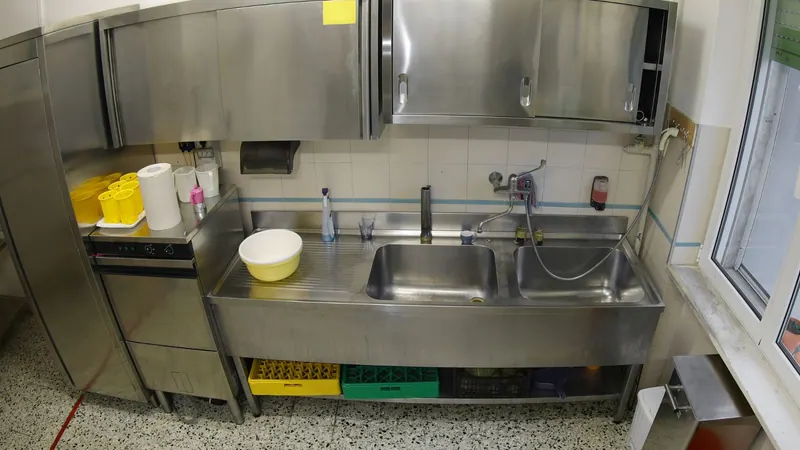
Restaurant Drain Service
Restaurant drain cleaning for Connecticut kitchens: floor drains, prep sinks, dish lines and grease clogged sewer lines, cleared 24/7.
Restaurant Drain Service details

A full grease trap means slow sinks, kitchen odors and a sewer line that clogs in the middle of service. We clean grease traps and arrestors on a schedule that fits your kitchen.
Quick answer: Most restaurants need grease trap cleaning every few weeks to every few months, depending on menu, volume and trap size. A common rule of thumb is to clean before grease and solids fill about a quarter of the trap. Fryer heavy kitchens need shorter intervals. Your town sewer authority may set its own requirement, so check local rules too.
Every commercial kitchen sends fats, oils and grease down the drain. A grease trap, also called a grease arrestor or grease interceptor, catches that grease before it reaches the building sewer and the town main. Grease floats, food solids sink, and cleaner water passes through. The catch is that a trap only works when it has room. Once the grease layer and the solids at the bottom take up too much of the tank, grease slips through, kitchen sinks slow down and the line to the street starts to choke. Fullerton Plumbing provides grease trap cleaning, grease trap clean out and grease trap pumping for restaurants and food service across Connecticut.
We handle small under sink traps behind the dish station and larger in ground grease interceptors outside the building. A clean out means removing the floating grease and settled solids, scraping the walls and baffles, checking the inlet and outlet, and confirming water flows through the way it should. If the line between the kitchen and the trap or the trap and the street is coated with grease, we jet it clean. You get an upfront quote, service scheduled around your hours, and a work area left clean before we go.
We open the trap or interceptor, check how much of the tank is taken up by grease and solids, and look at the baffles, inlet and outlet. That shows how overdue the trap is and whether anything inside is damaged or missing.
We remove the floating grease cap and the settled food solids, then scrape the walls and baffles so the full volume of the trap is working again. Under sink traps are cleaned by hand. Larger in ground grease interceptors are pumped.
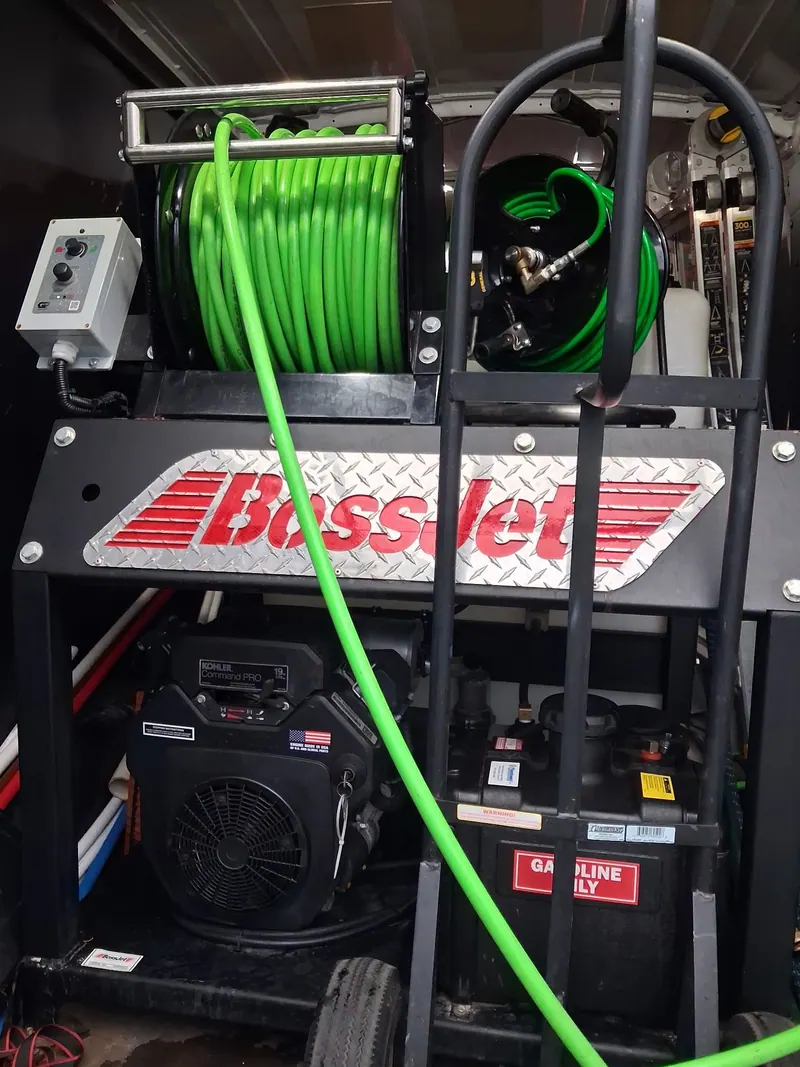
A clean trap does little good if the pipes around it are coated. We check flow from the kitchen fixtures into the trap and from the trap to the sewer, and jet any line that is narrowed by grease buildup.
We note what we found and suggest a cleaning interval based on your menu, volume and trap size. A fryer heavy kitchen fills a trap far faster than a coffee shop. Regular grease trap cleaning keeps you ahead of backups.
Connecticut has a dense, busy food scene. New Haven alone has a well known pizza and restaurant culture in Wooster Square and downtown, and every town from Norwalk's SoNo to West Hartford's Blue Back Square to the shoreline along Long Island Sound has kitchens running long hours. Pizza ovens, fryers, sauté stations and dish machines all send grease down the drain. Many of these restaurants sit in older buildings on cast iron and clay lines that grab grease easily, so an overdue trap turns into a sewer backup quickly.
Connecticut runs a statewide fats, oils and grease (FOG) program for food service, and local sewer authorities expect kitchens to keep grease out of the public system. Requirements vary by town and by the kind of trap you have, so check with your local authority on specifics. Our part is keeping your trap and lines clean, on schedule, so grease stays where it belongs.
Grease trap cleaning cost depends on the size and type of trap, how full it is and how easy it is to reach. A small under sink trap takes less time than a large in ground grease interceptor. A trap that has gone well past its interval holds hardened grease that takes longer to remove. Jetting the kitchen line or the sewer lateral, and night or weekend service, add to the total. We inspect first and give you an upfront quote before any work starts.
Call (518) 776-7838 for an upfront quote. We answer 24/7 and explain the price before any work starts.
No stock photos here. These are our own technicians, our own equipment and real repairs.
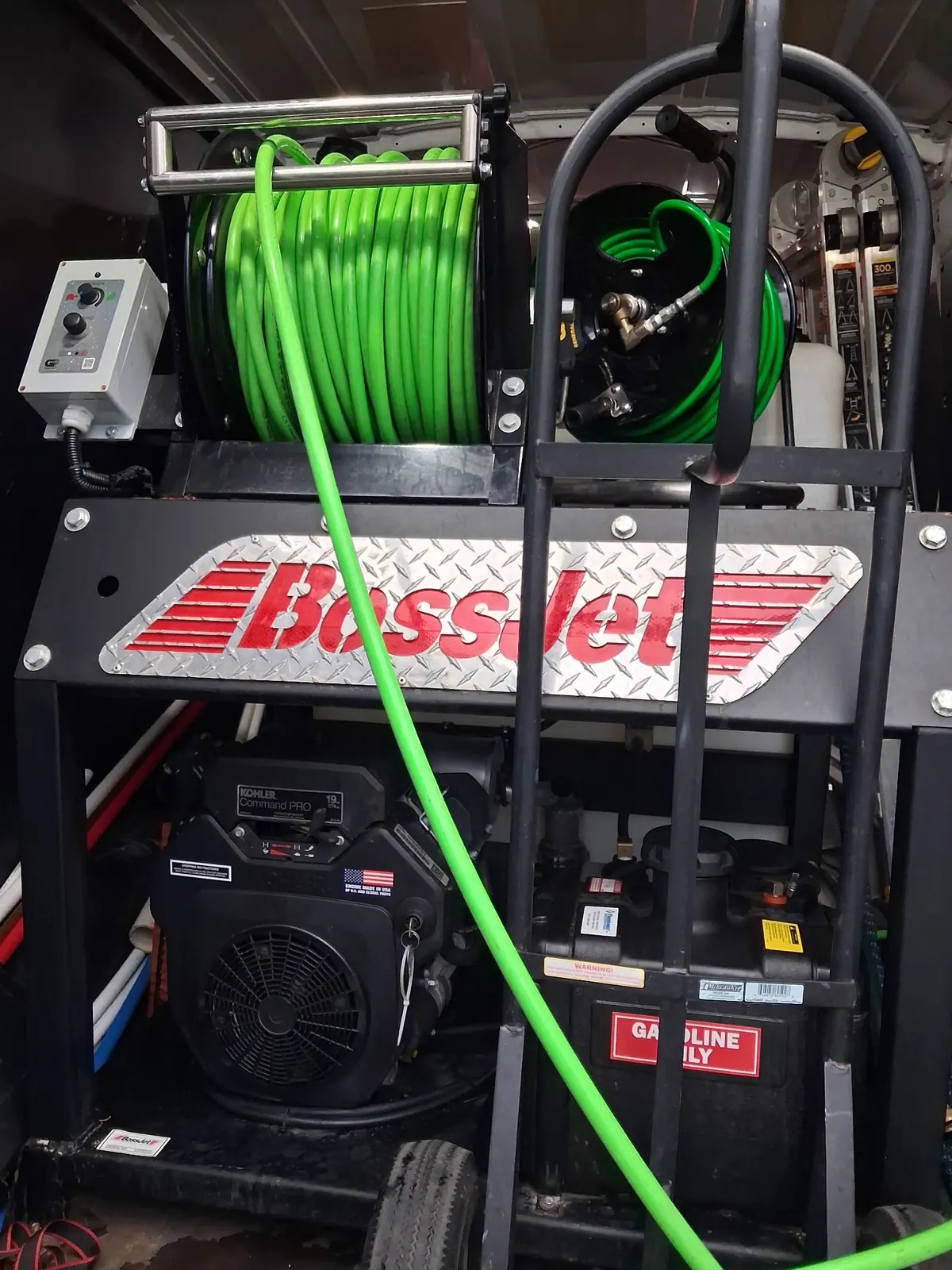
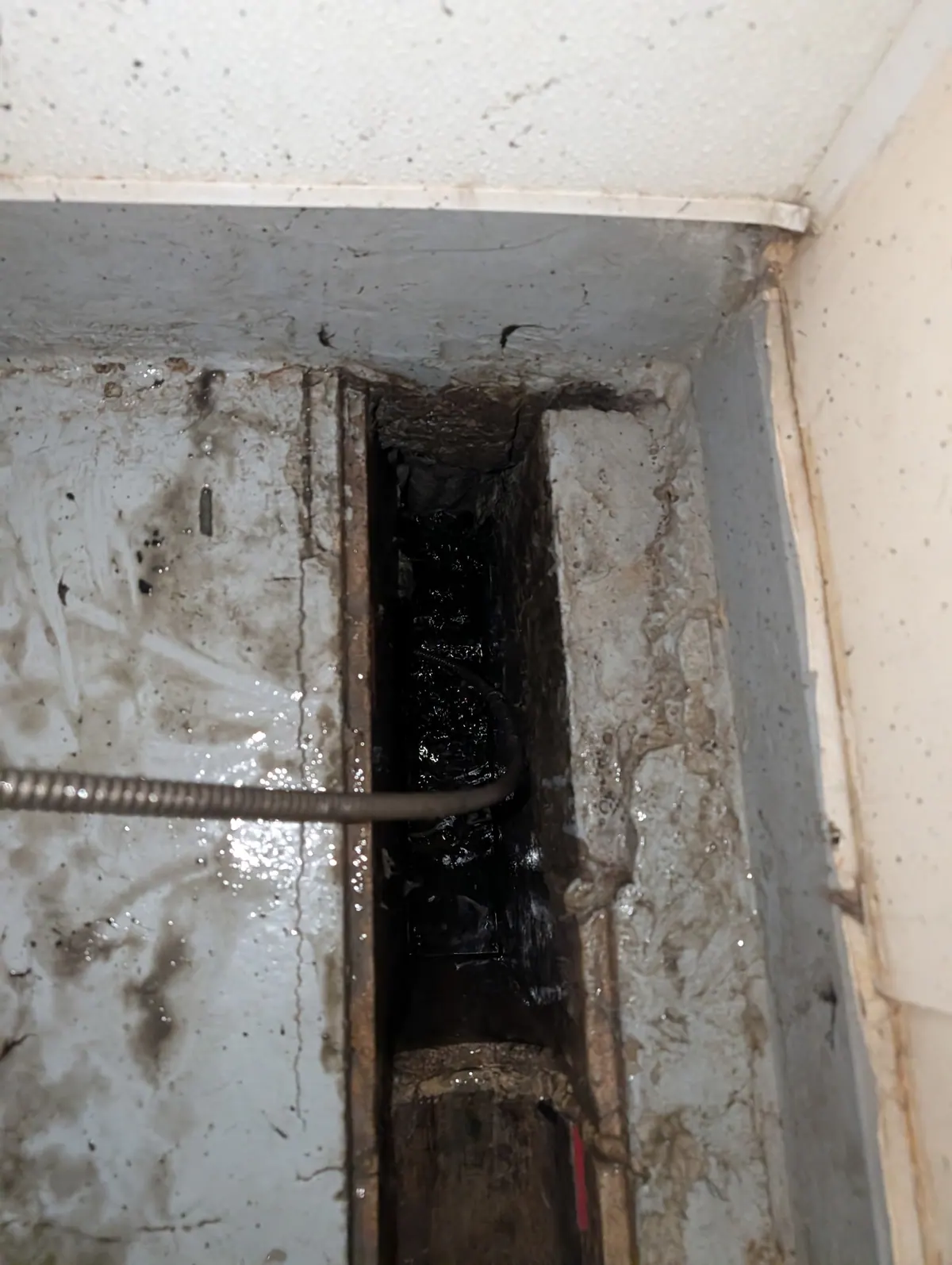
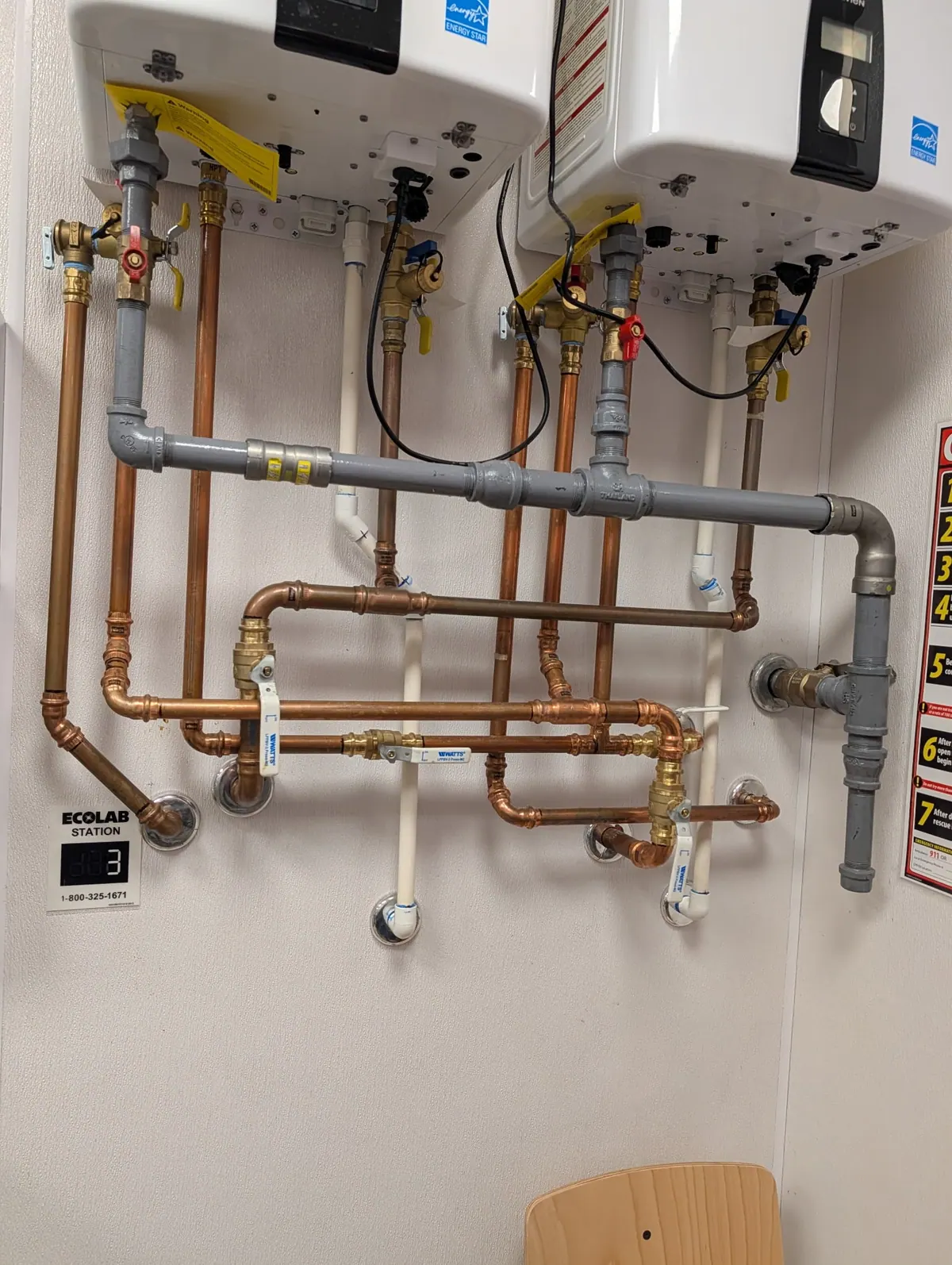
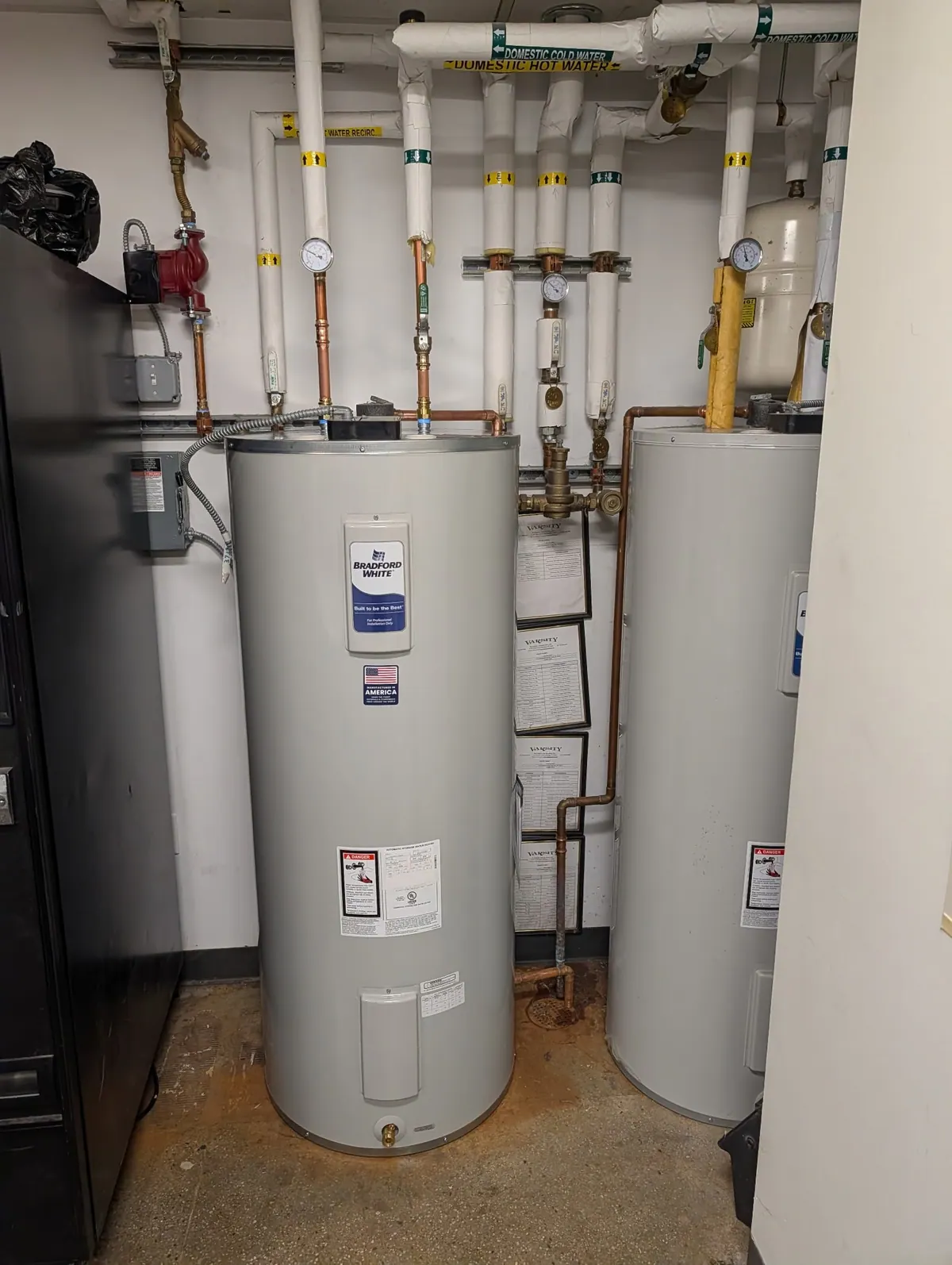
We provide grease trap cleaning across all eight Connecticut counties.
Most restaurants need grease trap cleaning every few weeks to every few months, depending on menu, volume and trap size. A common rule of thumb is to clean before grease and solids fill about a quarter of the trap. Fryer heavy kitchens need shorter intervals. Your town sewer authority may set its own requirement, so check local rules too.
They do the same job. Grease trap usually means a smaller unit under or near a sink, while grease interceptor or grease arrestor often refers to a larger tank, sometimes buried outside. Both separate fats, oils and grease from kitchen wastewater. Fullerton cleans and pumps both types for Connecticut restaurants and food service.
A grease trap clean out removes the floating grease layer and settled food solids, scrapes the walls and baffles, and checks that the inlet and outlet flow freely. For larger interceptors we pump the tank. If the line to the trap or out to the sewer is coated with grease, we jet it so the whole system drains properly.
Yes. Connecticut has a statewide fats, oils and grease program for food service, and local sewer authorities enforce it alongside their own rules. Details such as cleaning frequency and recordkeeping vary by town and trap type. Check with your local water pollution control authority for specifics, and we will keep your trap cleaned on a steady schedule.
Yes. We are open 24/7, so grease trap pumping can happen early morning, late night or on your closed day. Scheduling outside service keeps the kitchen running and keeps odors away from guests. If the trap overflows in the middle of a shift, call (518) 776-7838 and we will dispatch the nearest available technician.
Restaurant drain cleaning for Connecticut kitchens: floor drains, prep sinks, dish lines and grease clogged sewer lines, cleared 24/7.
Restaurant Drain Service detailsHigh pressure water jetting that scours grease, sludge, scale and roots from sewer and drain lines across Connecticut.
Hydro Jetting detailsScheduled drain cleaning, hydro jetting and camera checks for Connecticut restaurants, offices and apartment buildings, before clogs shut you down.
Preventive Drain Maintenance detailsWe answer 24 hours a day, 7 days a week. Call and talk to a real person, or request service online and we will call you back.
Tell us what is happening. Our team usually calls back within two hours. Emergency? Call now, we answer 24/7.
Or call (518) 776-7838, 24 hours a day