Drain Cleaning
Drain cleaning across Connecticut for slow sinks, clogged toilets, basement floor drains and main sewer lines, with camera proof and an upfront quote.
Drain Cleaning details

A clogged kitchen sink stops cooking, dishes and the dishwasher all at once. We clear the trap, the wall line and the branch behind it, with an upfront quote before any work starts.
Quick answer: Start by turning off the disposal and dishwasher. Plug one side of a double sink and use a cup plunger on the other with a few inches of water in the basin. If that fails, the trap under the sink can be removed and cleaned with a bucket underneath. If the clog is past the trap in the wall, it needs a drain machine, and that is the time to call us.
The kitchen sink drain handles more grease and food than any other drain in the house. Cooking oil, butter, sauces, coffee grounds, rice and pasta all head down the same small pipe, along with dishwasher discharge and whatever the garbage disposal grinds. Grease cools as it travels, clings to the pipe wall and catches food particles. Over months that coating narrows the line until the sink drains slowly, then stops. A clogged kitchen sink is rarely about one bad meal. It is usually the result of slow buildup in the trap and the line behind the wall.
Kitchen sink drain cleaning goes past the trap. In many Connecticut homes, the kitchen sink line runs horizontally through a wall or under the floor before it reaches the main stack, sometimes for a long distance in a colonial or split level. In three family houses, the kitchens of all three units often stack over each other on one line. That is where grease settles and where a plunger cannot reach. We clear the trap, then run a machine through the line to the stack, and use jetting when grease has coated the whole pipe.
We start by checking whether the dishwasher and disposal are part of the problem, since both feed into the same drain. Then we remove or bypass the trap, clear the line with a cable sized for the pipe and test the sink, dishwasher and disposal together. If the kitchen line keeps clogging, a camera shows where grease or a sag is causing it. Fullerton Plumbing is open 24/7 across Connecticut. When your kitchen sink drain stops, call (518) 776-7838.
Cooking fat, oil and butter go down as liquid and harden as they cool, coating the pipe and trapping food. Grease is the most common cause of a clogged kitchen sink. A cable opens a path, and jetting removes the coating so the line does not close up again within weeks.
Potato peels, eggshells, coffee grounds, pasta and fibrous scraps like celery can turn into a paste that packs the disposal outlet and the trap. The disposal may hum or run while the water stays put. We clear the outlet and trap and check whether the line beyond them is also loaded.
Most dishwashers drain through the kitchen sink line or the disposal. When that line is partly clogged, dishwasher water backs into the sink or stays in the machine. Clearing the shared drain usually fixes both. We also check the drain hose connection for kinks or buildup.
When water from one basin comes up in the other, the clog is past the point where the two basins join, in the trap or the wall line. Plunging one side just pushes water to the other. We clear the shared section and the line to the stack so both sides drain.
We test the sink, the disposal and the dishwasher to see which parts are affected. A disposal jam or a blocked dishwasher hose can look like a drain clog. We rule those out first, so we only clear what actually needs clearing and you do not pay for work that is not needed.
We explain whether the clog looks like it is in the trap, the wall line or the branch further down, and how we plan to clear it. You get an upfront quote before any work starts. If jetting might be the better long term choice, we tell you why and let you decide.
We remove and clean the trap, then run a drain cable through the wall line toward the stack to cut through the grease and food. When grease coats the whole pipe, hydro jetting through a cleanout scours the walls clean so the line drains at full capacity again.
We reassemble the trap, check for leaks and run the sink, disposal and dishwasher together to make sure the line handles a full load. Then we clean the cabinet area and the floor and give you a few habits that keep grease from building back up so quickly.
Kitchen drains in Connecticut's older homes were not built for today's cooking volume or for garbage disposals. Victorian and colonial houses often have original cast iron or galvanized kitchen lines that have narrowed with scale, which gives grease a rough surface to grab. Kitchens added or moved during renovations sometimes have long horizontal runs with too little slope. Three family houses in cities such as Waterbury, New Britain and Meriden can have three kitchens draining into one stacked line, so the top floor's grease becomes the bottom floor's backup. Postwar capes and ranches often have kitchen lines running through a cold crawl space or exterior wall where grease hardens faster in winter.
Restaurants and food businesses face the same problem on a larger scale. Connecticut runs a statewide fats, oils and grease program for food service, and grease traps and interceptors need regular pumping. Busy kitchens from downtown New Haven to Stamford and Norwalk depend on kitchen lines that stay clear. We clean commercial kitchen drains as well as home sinks.
Kitchen sink drain cleaning cost depends on how far the clog reaches and how heavy the grease is. A clog in the trap or disposal outlet is a quicker job than grease built up along the whole wall line. Access matters, including tight cabinets, older traps that need replacing and whether there is a cleanout. Heavy grease may call for hydro jetting. Multifamily stacked lines and after hours visits can also change the work involved. You get an upfront quote before any work starts.
Call (518) 776-7838 for an upfront quote. We answer 24/7 and explain the price before any work starts.
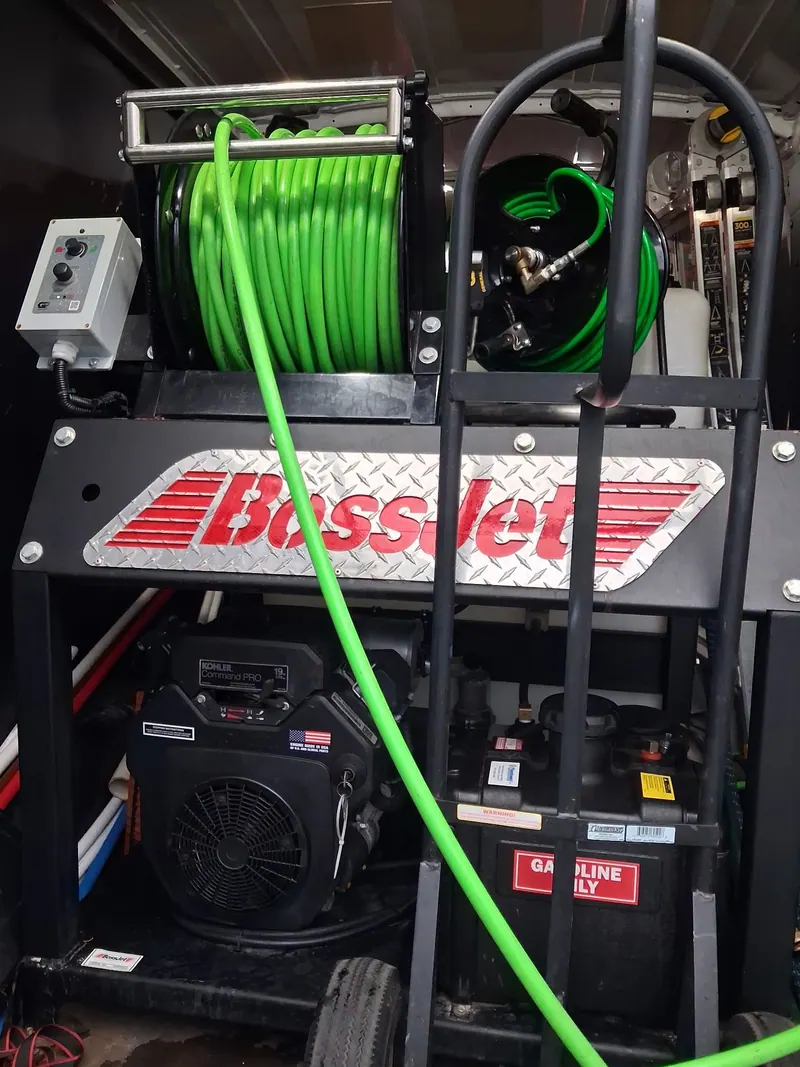
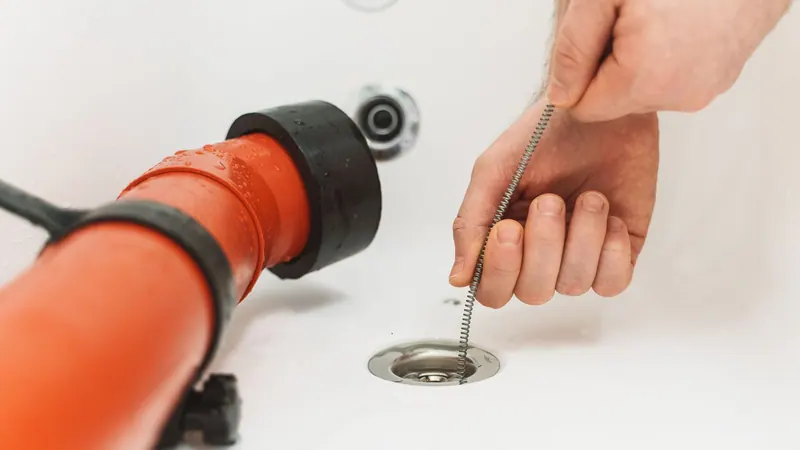
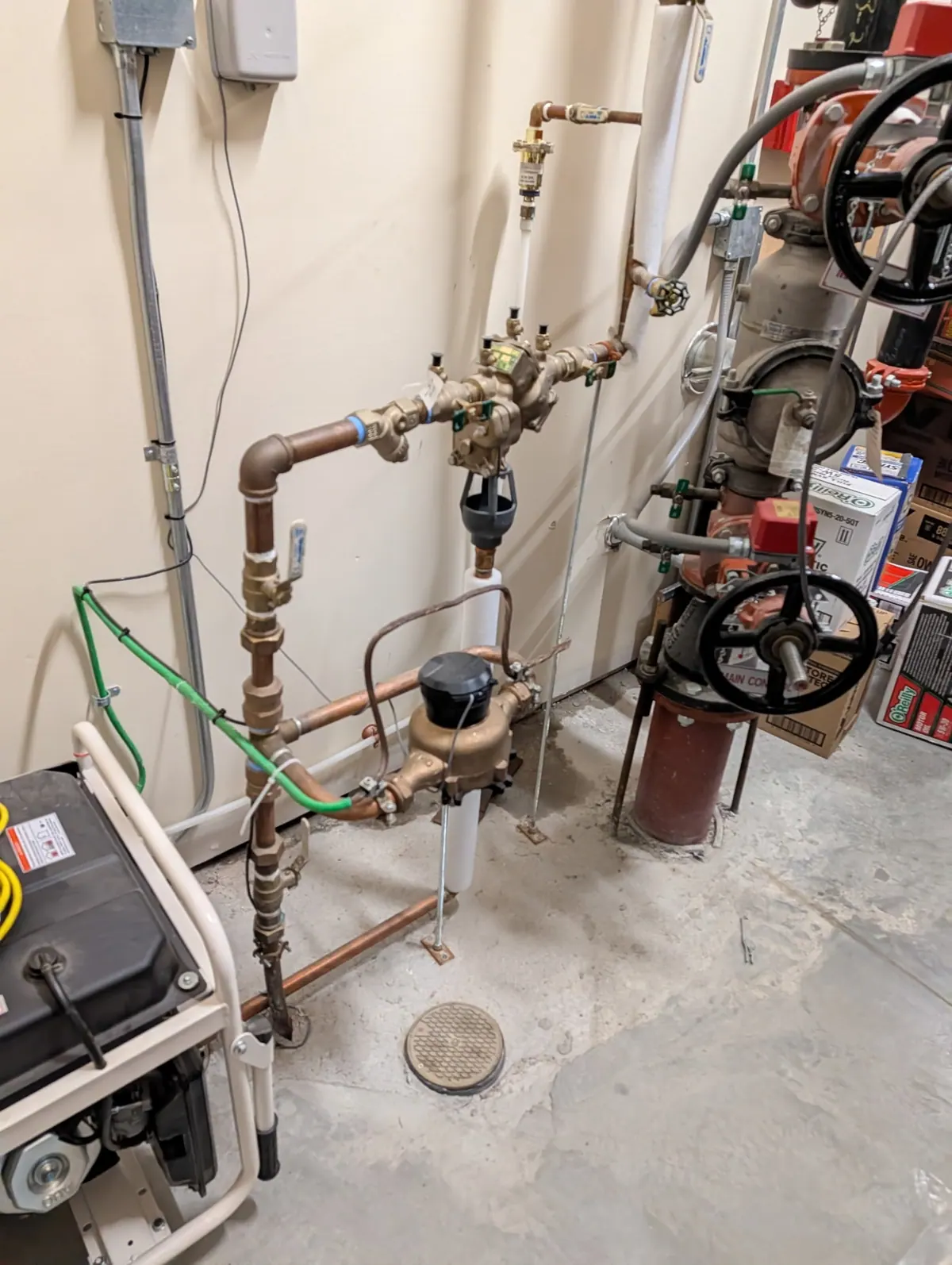
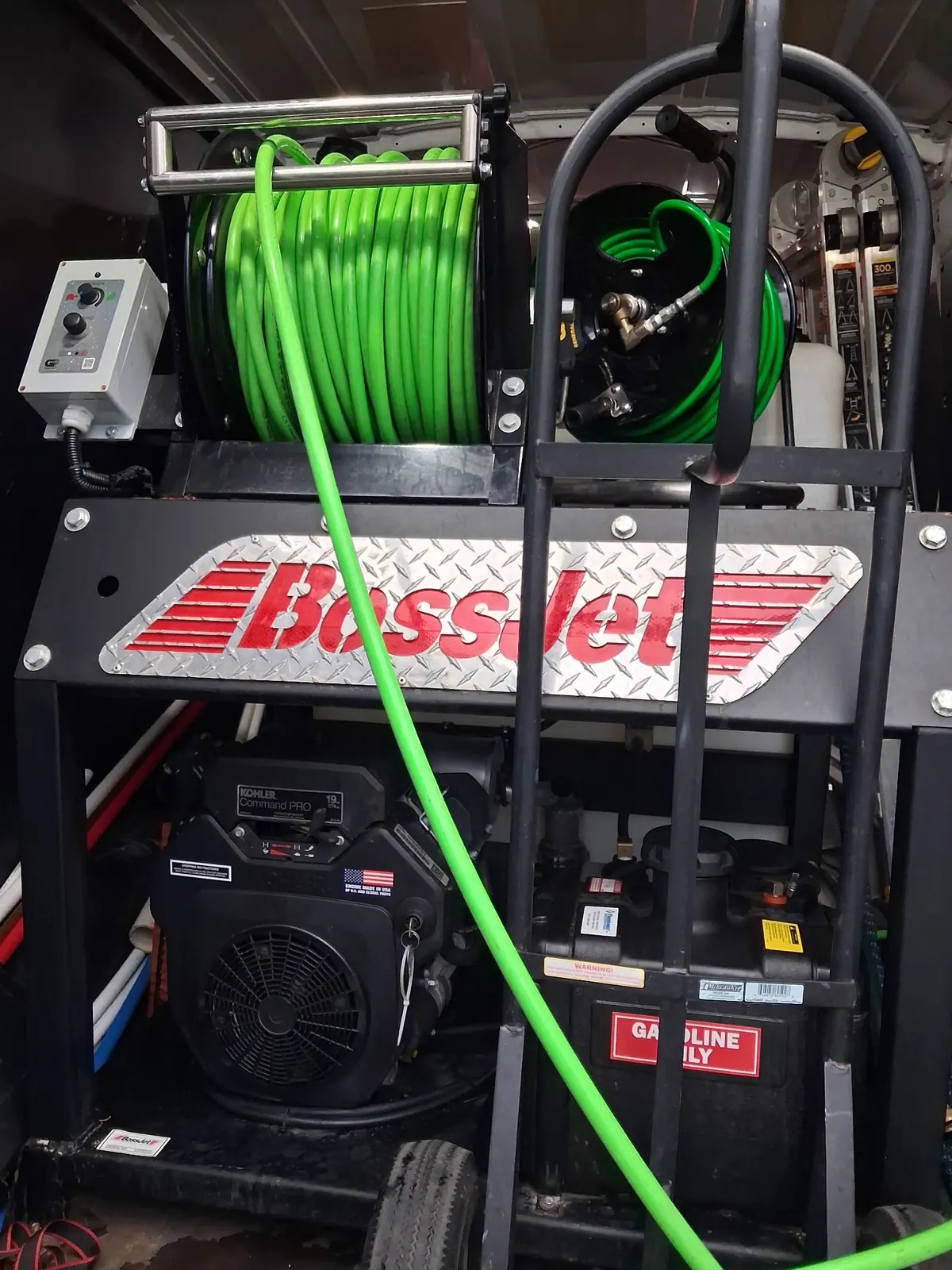
No stock photos here. These are our own technicians, our own equipment and real repairs.
We provide kitchen sink drain cleaning across all eight Connecticut counties.
Start by turning off the disposal and dishwasher. Plug one side of a double sink and use a cup plunger on the other with a few inches of water in the basin. If that fails, the trap under the sink can be removed and cleaned with a bucket underneath. If the clog is past the trap in the wall, it needs a drain machine, and that is the time to call us.
Plunging can push a hole through a grease clog, but the grease coating along the pipe stays. Food keeps catching on it, and the sink slows down again. Older Connecticut homes with scaled cast iron or long, flat kitchen lines make this worse. A full cleaning of the line, and jetting when grease is heavy, removes the coating instead of just poking through it.
Yes. A disposal grinds food, but it does not make it disappear. Starchy and fibrous foods, coffee grounds and eggshells can form a paste that packs the trap and the line. Running plenty of cold water while the disposal runs and for a few seconds after helps. When the disposal hums but will not drain, the outlet or trap is usually packed.
That usually means the kitchen sink drain is partly blocked past the point where the dishwasher connects. The dishwasher pumps water out with force, and when the line cannot take it, the water rises in the sink instead. Clearing the trap and the line to the stack fixes most cases. We also check the dishwasher hose and the disposal connection.
Baking soda and vinegar are gentle but rarely clear a real clog. Boiling water can soften fresh grease, but it can also damage plastic traps and loosen old joints, so we do not recommend it. Grease melted with hot water often hardens again further down the line where it is harder to reach. For a true clog, a mechanical cleaning is the safer fix.
Yes. We clean kitchen drains for restaurants, cafes, schools and other food businesses across Connecticut, including prep sinks, three compartment sinks and floor sinks. Commercial kitchen lines collect grease fast, and jetting is often the best way to keep them flowing. We can set up regular service so drains are cleaned before they back up during a busy shift.
Shared kitchen lines in three family houses deserve attention, since the kitchens on each floor often stack on one drain. Grease from the upper units settles in the line and can back up into the lowest kitchen. If one tenant reports slow drains, it is worth having the full stacked line cleaned rather than just the one sink, so the problem does not move to the next floor.
Drain cleaning across Connecticut for slow sinks, clogged toilets, basement floor drains and main sewer lines, with camera proof and an upfront quote.
Drain Cleaning detailsHigh pressure water jetting that scours grease, sludge, scale and roots from sewer and drain lines across Connecticut.
Hydro Jetting detailsGrease trap cleaning, grease trap pumping and grease arrestor cleaning for Connecticut restaurants and food service, scheduled or 24/7.
Grease Trap Cleaning detailsWe answer 24 hours a day, 7 days a week. Call and talk to a real person, or request service online and we will call you back.
Tell us what is happening. Our team usually calls back within two hours. Emergency? Call now, we answer 24/7.
Or call (518) 776-7838, 24 hours a day