Drain Cleaning
Drain cleaning across Connecticut for slow sinks, clogged toilets, basement floor drains and main sewer lines, with camera proof and an upfront quote.
Drain Cleaning details
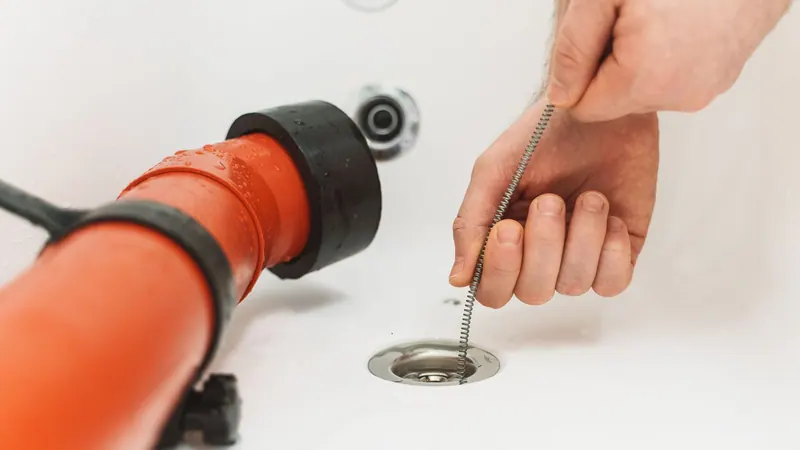
A clogged drain can stop a kitchen, a bathroom or a whole house. We find the blockage, clear it with the right tool and tell you why it happened, with an upfront quote before any work starts.
Quick answer: Stop running water into the clogged fixture so it does not overflow. Try a plunger on sinks and tubs, covering the overflow hole for a better seal. If that does not work, or if more than one drain is affected, call a professional. Avoid chemical cleaners, since they rarely clear solid clogs and make the job riskier for whoever opens the line next.
A clogged drain is a pipe that can no longer carry water away as fast as it comes in. Sometimes it is a partial clog, where the sink drains slowly and leaves a ring of gray water behind. Sometimes it is a full stop, where nothing moves and the water just sits. Either way, the clog will not fix itself. Hair, soap, grease, food, paper and wipes keep catching on whatever is already stuck. Clogged drain repair means locating that blockage, removing it and checking the line so it does not come right back.
A stopped up drain is often a sign of something more than a bad day. In older Connecticut homes, cast iron branch lines build up rust scale that narrows the pipe, and galvanized steel drains in some early 1900s houses close up from the inside. In postwar capes and ranches, long horizontal runs under the floor can sag over time and hold water and debris. Those conditions turn small clogs into frequent ones. Knowing which one you have changes the fix, which is why we test before we cut.
Our technicians start by asking what you have seen and running water at the fixtures. One slow drain usually means a local clog. Several slow drains on the same floor point to a shared branch line. Backups in the lowest drains point to the main line. Once we know where it is, we use a hand auger, a drum machine or a hydro jetter to clear it, then flow test to prove it is open. If the line has a history, we offer a camera inspection with live view. We are open 24/7 across Connecticut. Call (518) 776-7838.
The drain still moves, just slowly. Partial clogs are usually hair, soap or grease coating the inside of the pipe. They are the best time to call, because the line is still open enough to clear quickly. Waiting often turns a slow drain into a full stop at a bad moment.
Nothing drains at all. The pipe is packed with a solid plug of paper, wipes, food, grease or a dropped object. Plungers often push the plug tighter. A drain machine with the right cutting head breaks it up and pulls it back so the line opens fully.
When the sink and tub in the same bathroom clog together, the blockage is in the branch line they share. These lines run inside walls and under floors in older homes, often in cast iron. We reach them through a trap or cleanout and run a machine through the full length.
A drain that clogs every few weeks has a reason: a sag in the line, heavy scale, roots or a bad pitch. Clearing it again only buys time. A camera inspection finds the cause so you can choose between regular maintenance, jetting or a repair to the pipe.
We run water at the affected fixture and the ones around it to see how far the problem reaches. That tells us whether we are dealing with a trap, a branch line or the main sewer. We also ask what goes down the drain, because grease, hair and wipes each call for a different approach.
We tell you what we think is causing the clog and how we plan to clear it, in plain language. You get an upfront quote before any work starts. If there is a chance the pipe itself is damaged, we say so up front, so there are no surprises halfway through the job.
Small fixture clogs come out with a hand auger through the drain or trap. Branch and main lines get a drum or sectional machine through a cleanout. Grease, sludge and scale get hydro jetting when the pipe can handle it. We protect floors and fixtures while we work.
After the line is open, we run water at full volume at every affected fixture to confirm it drains. For repeat clogs, a camera inspection shows what is left in the pipe. We clean up the area and tell you what to watch for so you can catch the next problem early.
Many Connecticut homes still rely on plumbing that is fifty to more than a hundred years old. Victorian and colonial homes in town centers like Norwich, Middletown and Torrington often have cast iron and galvanized drains that have narrowed with decades of scale. The three family houses common in Hartford, New Haven, Bridgeport and New Britain stack three kitchens and three bathrooms on one set of pipes, so one tenant's grease or wipes can stop up a line for everyone. Postwar homes across the suburbs sometimes have Orangeburg laterals that have softened and sagged. Each of these turns a minor clog into a stubborn one.
Weather plays a part as well. Spring thaw and heavy rain raise groundwater and can stress older laterals, and winter cold can slow drains that run through unheated crawl spaces and garages. Homes on septic in towns from Litchfield County to the Quiet Corner add one more variable, since a slow drain can come from the line or the tank. We look at all of it and tell you plainly where the problem is.
The cost to fix a clogged drain depends mostly on where the blockage is and what it is made of. A trap or a short fixture line is a smaller job than a long branch or the main line. Access matters, including whether there is a working cleanout or a fixture has to be pulled. Grease, scale and roots may require hydro jetting. A camera inspection, after hours service and repeat problems also play a role. You get an upfront quote before any work starts.
Call (518) 776-7838 for an upfront quote. We answer 24/7 and explain the price before any work starts.
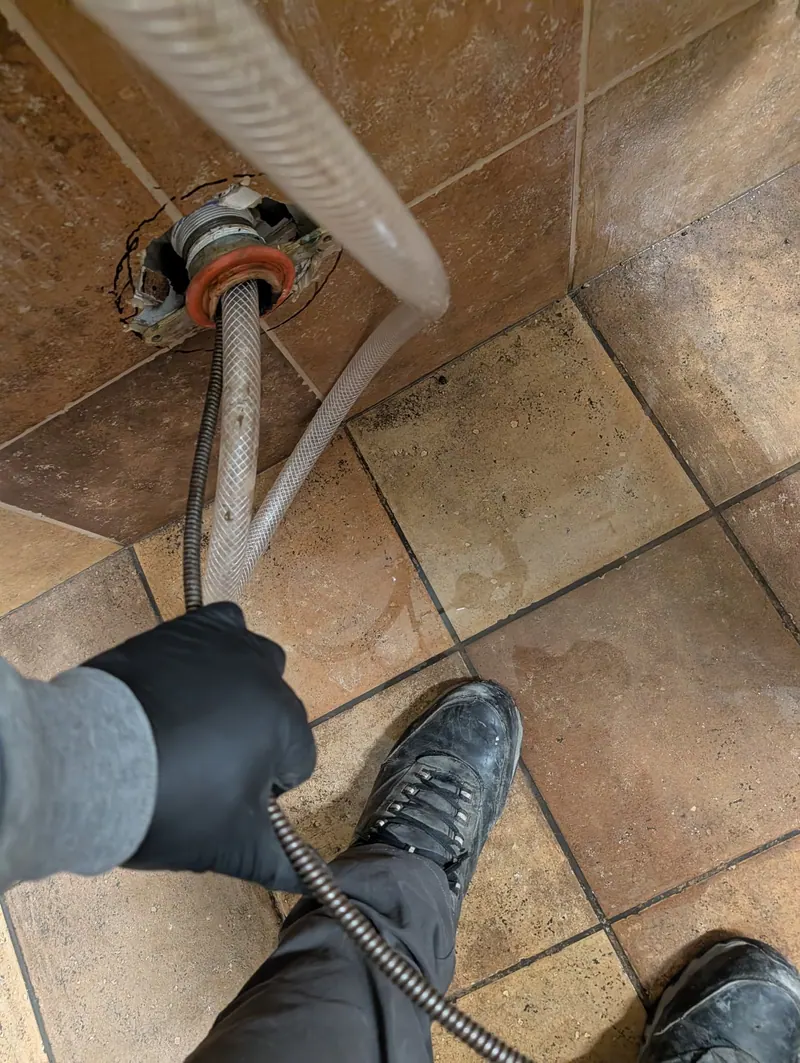
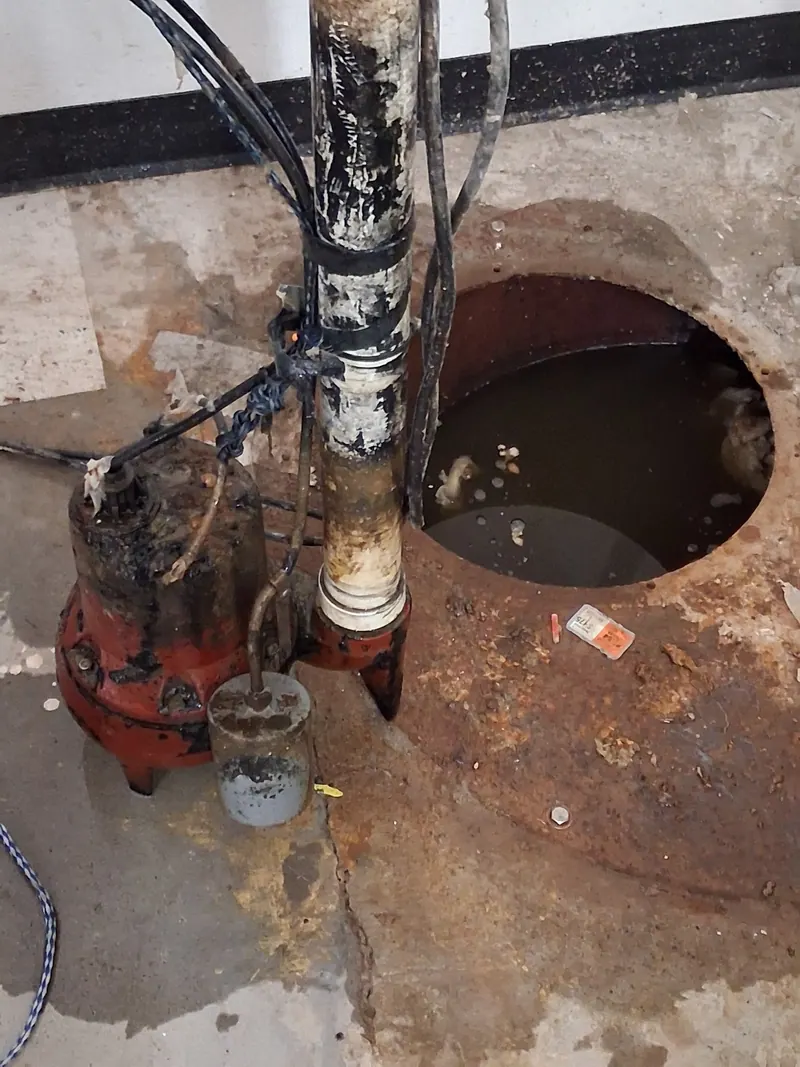
No stock photos here. These are our own technicians, our own equipment and real repairs.
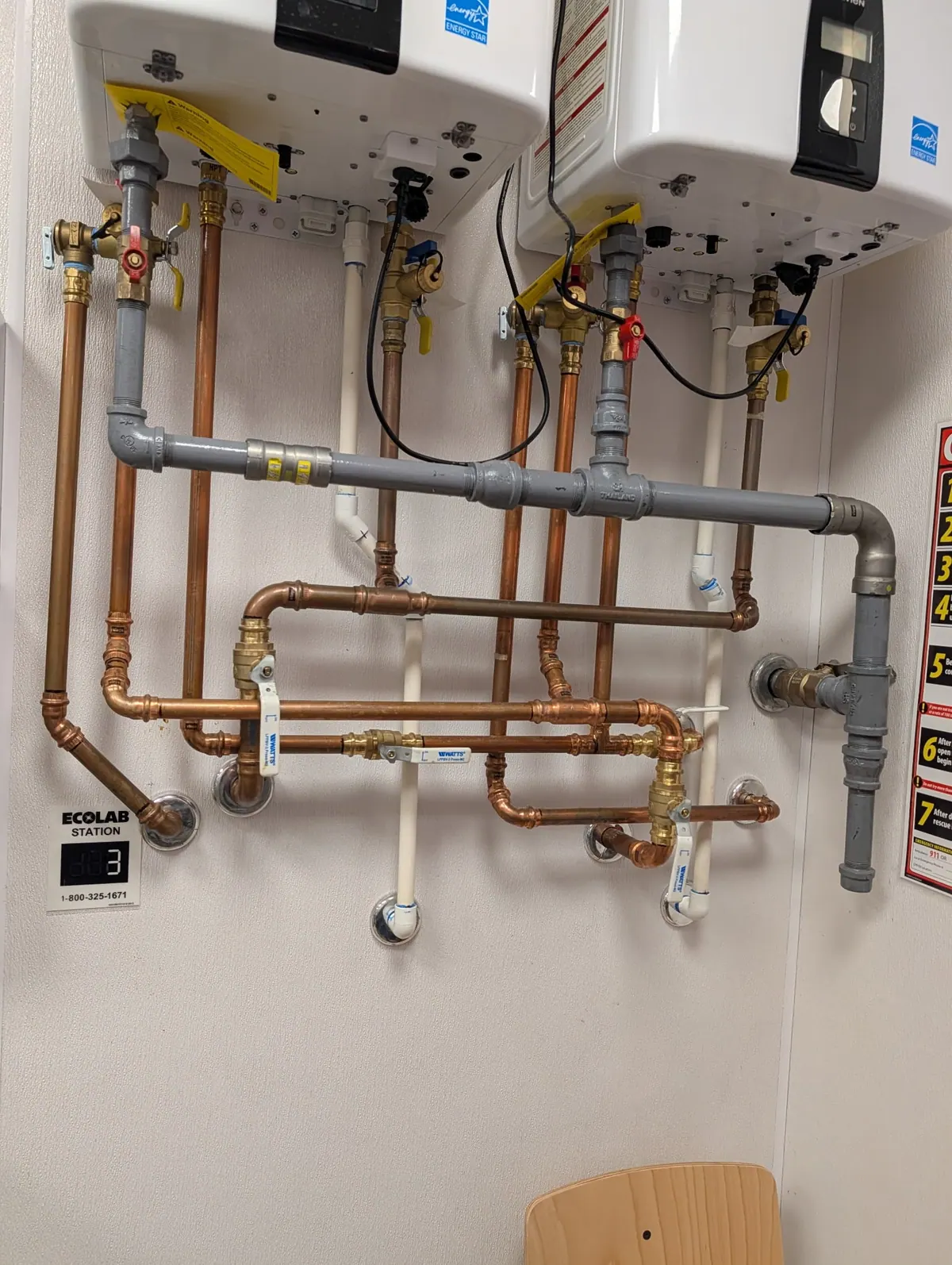
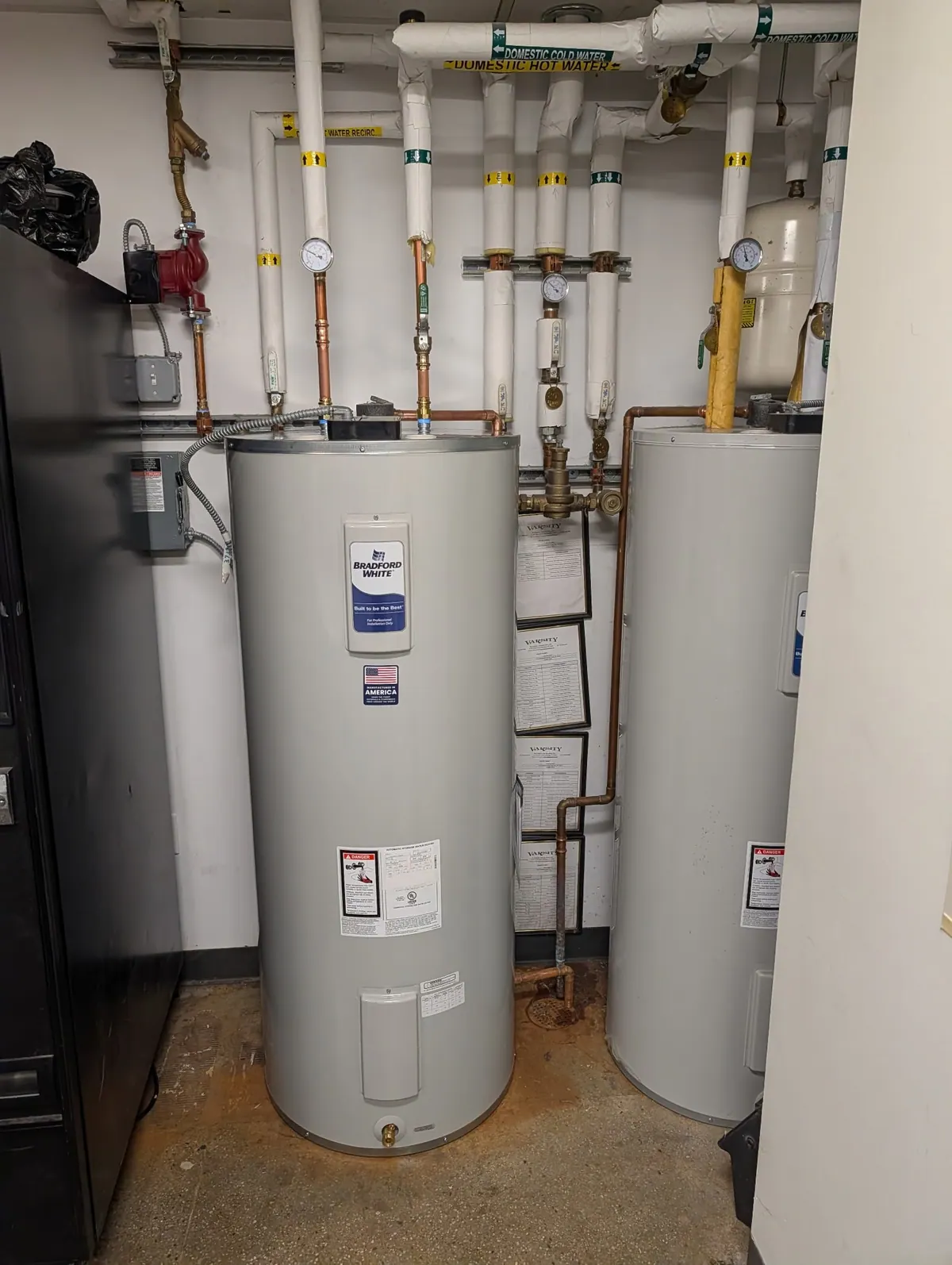
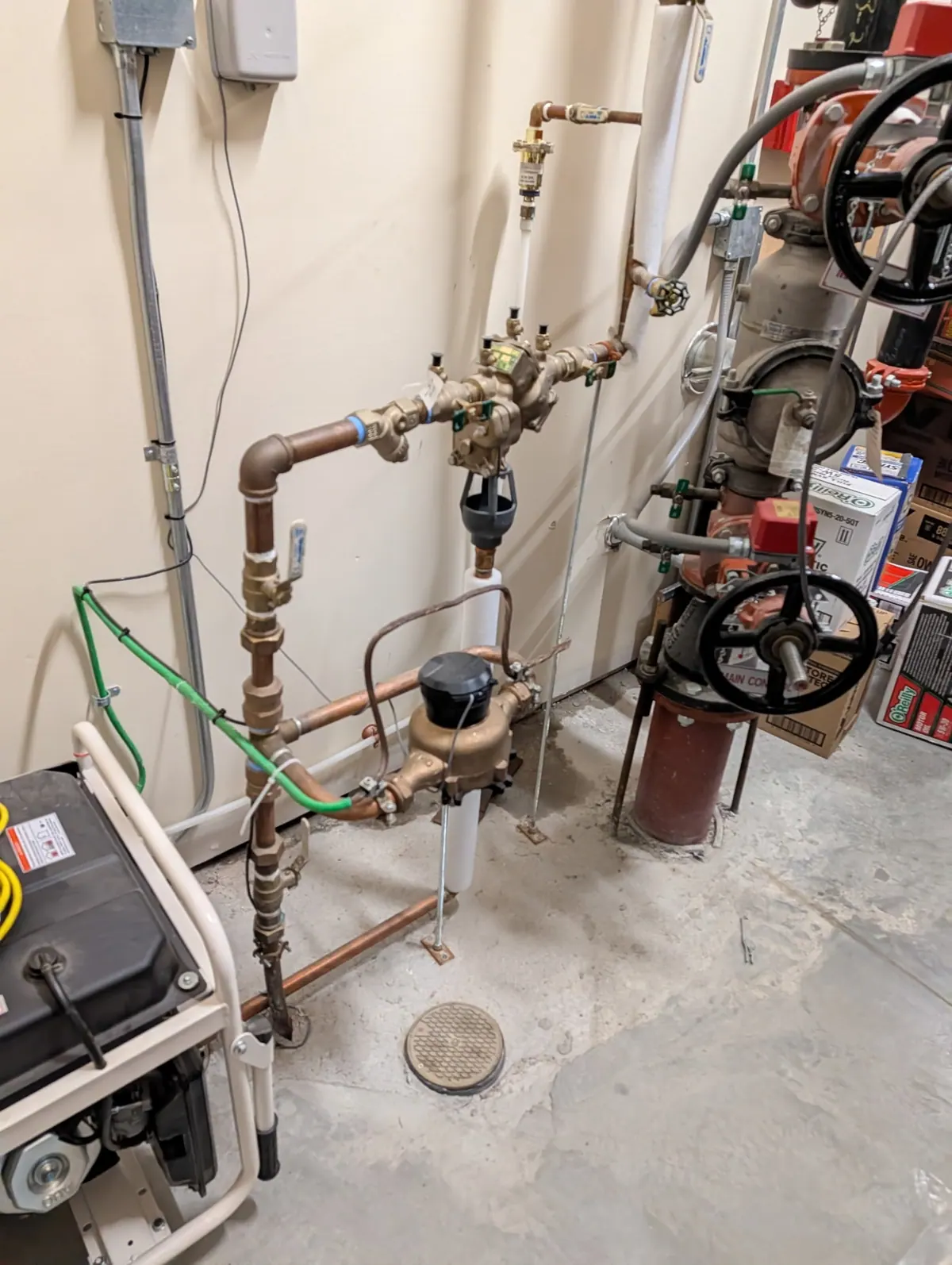
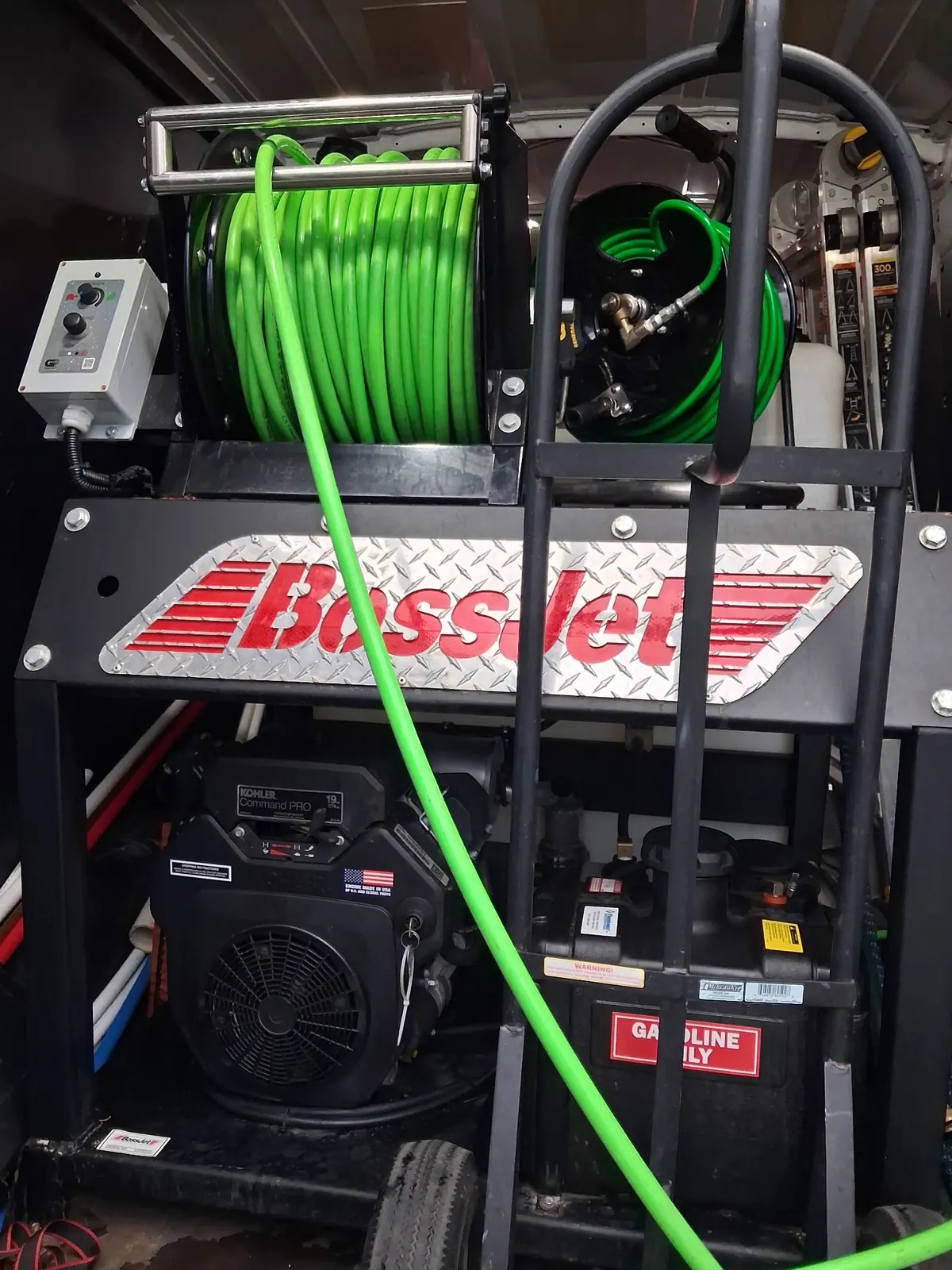
We provide clogged drain repair across all eight Connecticut counties.
Stop running water into the clogged fixture so it does not overflow. Try a plunger on sinks and tubs, covering the overflow hole for a better seal. If that does not work, or if more than one drain is affected, call a professional. Avoid chemical cleaners, since they rarely clear solid clogs and make the job riskier for whoever opens the line next.
A clog that keeps returning usually has a cause in the pipe itself. Common reasons in Connecticut homes are heavy scale in old cast iron, grease coating the walls, a sag that holds debris, or roots in the lateral. Clearing the clog opens a path, but the cause stays. A camera inspection shows us what is really going on so we can recommend jetting, maintenance or a repair.
Yes. Drains in a house connect to shared branch lines and one main line. If the clog is in a shared section, water from one fixture can back up into another, such as a sink draining into the tub. If the main line is blocked, the lowest fixture, usually a basement floor drain or shower, overflows first. That pattern helps us locate the clog quickly.
A single slow sink is usually not an emergency, but a drain that is backing up sewage, overflowing onto floors or affecting every fixture in the house is. Sewage carries bacteria and can damage floors, walls and belongings fast. Fullerton Plumbing is open 24/7 across Connecticut. If water is rising where it should not, stop using the fixtures and call (518) 776-7838.
Not when it is done with the right tool and care. We choose the cable size, cutting head and jetter pressure based on the pipe material and its age. Very old cast iron, galvanized steel and Orangeburg need a gentler approach. If a camera shows the pipe is already cracked or collapsing, we tell you before we go further, so you can decide on the next step.
Most fixture clogs are cleared in a single visit, often within an hour or two once the technician is on site. Main line clogs, root problems and lines that need a camera inspection or jetting can take longer. The technician will tell you what to expect when giving you the upfront quote, and we work until the drain is flowing again.
Yes. We work in multifamily buildings across Connecticut, including the three family houses found in many older cities. In these buildings one shared stack or main line often serves several units, so a clog can affect more than one tenant. We find where the blockage sits, clear it and can give the owner a camera view to plan maintenance.
Drain cleaning across Connecticut for slow sinks, clogged toilets, basement floor drains and main sewer lines, with camera proof and an upfront quote.
Drain Cleaning detailsDrain snaking and rooter service across Connecticut, from hand augers for sinks to large machines for main lines and roots.
Drain Snaking and Rooter Service details24 hour emergency drain cleaning across Connecticut for overflowing toilets, sewer backups and stopped drains, nights, weekends and holidays.
Emergency Drain Cleaning detailsWe answer 24 hours a day, 7 days a week. Call and talk to a real person, or request service online and we will call you back.
Tell us what is happening. Our team usually calls back within two hours. Emergency? Call now, we answer 24/7.
Or call (518) 776-7838, 24 hours a day