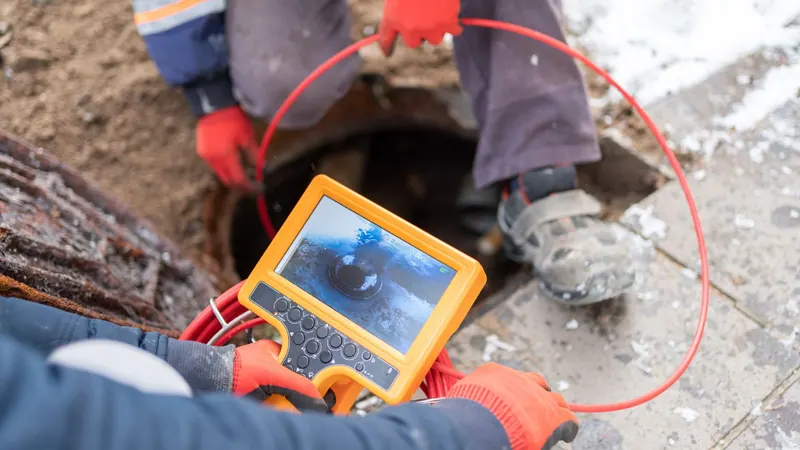
Main Sewer Line Cleaning
Sewer line cleaning that clears the main drain from your basement cleanout to the town sewer or septic tank, with camera proof.
Main Sewer Line Cleaning details
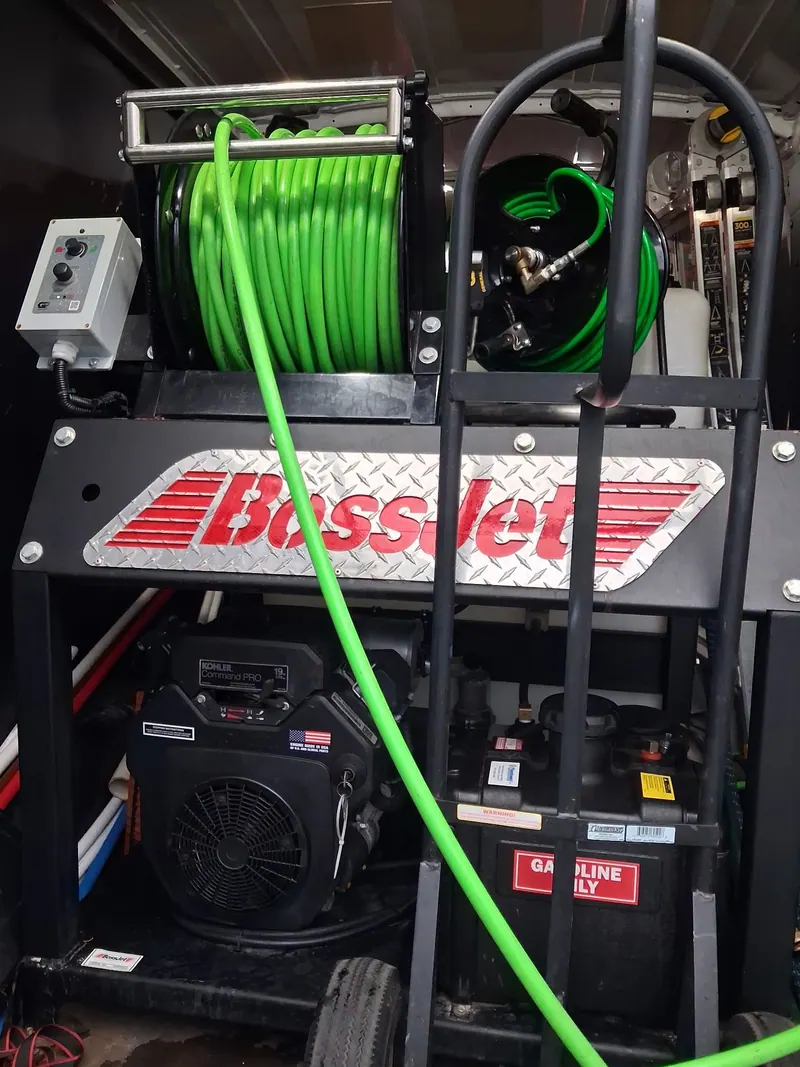
Hydro jetting uses high pressure water to scour a drain or sewer line wall to wall. It removes the grease, sludge and roots that a cable only punches through.
Quick answer: Hydro jetting is a drain and sewer cleaning method that uses high pressure water fired through a nozzle to scour the inside of a pipe. Forward jets cut through the clog and rear jets scrub the pipe walls while pulling the hose along. It removes grease, sludge, scale and fine roots, leaving the line much closer to full size than a cable machine can.
Hydro jetting, also called water jetting or sewer jetting, cleans a pipe with a stream of high pressure water fired through a special nozzle. The nozzle has a forward jet that cuts through the blockage and rear jets that pull the hose down the line while blasting the pipe walls clean. Instead of poking a hole through a clog the way a cable machine does, a jetter scrubs away the grease coating, sludge, scale and fine roots that made the pipe narrow in the first place. The line is left close to its original diameter.
Jetting is the right tool when a drain keeps coming back. Kitchen lines packed with grease, main sewer lines that clog every few months, restaurant drains, and laterals with heavy sludge all respond better to water than to a cable. Fullerton Plumbing and Drain Cleaning carries hydro jetters on its trucks along with sewer cameras, so we can look at the pipe first, choose the right nozzle and pressure for its age and material, and then show you the clean result on camera when we are done.
If you are searching for hydro jetting near me anywhere in Connecticut, from Greenwich to Putnam, Fullerton dispatches the nearest available technician 24 hours a day, 7 days a week. We jet residential kitchen and main lines, multi family buildings, and commercial drains for restaurants, offices and property managers. You get an upfront quote before any work starts, a camera check to confirm the pipe can handle jetting, and cleanup when the job is finished. Fullerton is fully insured with 7 years in business.
Kitchen drains collect grease, soap and food that harden into a thick lining. A cable leaves most of it behind. Jetting the kitchen branch and the line it joins removes the coating so the sink, dishwasher and disposal drain freely again.
Jetting the main line from the cleanout to the town main or septic tank washes out sludge, scale and root fragments left after cable work. It is a strong choice for laterals that have clogged repeatedly or before a camera inspection when the pipe is too dirty to see.
A root cutting nozzle on a jetter shears fine roots at clay pipe joints and flushes them out of the line. It works best as maintenance after heavy roots have been cut, keeping the joints clear between cleanings.
Restaurants, cafeterias and multi family buildings send heavy grease loads down their drains. Scheduled jetting of the lines between fixtures, grease traps and the sewer keeps kitchens running and helps businesses stay on top of fats, oils and grease requirements.
We run a drain camera through the line before jetting when conditions allow. That tells us the pipe material, where the buildup is, and whether there is cracked clay, Orangeburg or badly rusted cast iron that needs a gentler approach or a repair conversation instead of high pressure water.
We pick a nozzle and pressure for the job: a penetrating nozzle for packed clogs, a spinning or rotating nozzle for grease and scale, or a root cutting nozzle for clay joints. Matching the tool to the pipe gives a better clean with less risk.
We feed the hose in through a cleanout and work the length of the pipe in passes. The rear jets scrub the walls as the hose moves, and the debris flushes downstream to the sewer. We work the trouble spots until water runs clear.
After jetting we run the camera again so you can see the pipe walls clean on the live view. We point out any defects that remain, such as offset joints or bellies, and give you an upfront quote if a repair makes sense.
Connecticut drains face a mix of problems that a cable alone does not fix. Older cities like Hartford, New Haven, Bridgeport and Waterbury have dense blocks of three-deckers and apartment buildings where several kitchens share a drain stack, and grease loads add up quickly. Clay laterals under mature street trees take in fine roots at every joint. Cast iron in prewar colonials scales up inside until a four inch pipe acts like a two inch pipe. Jetting deals with all three in one visit. In restaurant corridors such as downtown New Haven, Wooster Square, SoNo in Norwalk and downtown Stamford, scheduled jetting helps kitchens keep lines open between grease trap pumpings.
Jetting is not right for every pipe, and that is why we camera first. Orangeburg pipe in some 1950s and 1960s suburban homes, cracked clay, and cast iron that has rusted through can be damaged by high pressure. When the camera shows a weak pipe, we adjust the pressure, switch to a cable, or recommend a repair. On septic homes in the Litchfield Hills and the Quiet Corner, we jet the line from the house to the tank inlet and stop there, since we do not pump septic tanks.
Hydro jetting cost depends on how much pipe needs cleaning, how heavy the buildup is, and how easy it is to reach the line. A kitchen branch line is a smaller job than a full main sewer run to the street. Heavy grease or scale takes more passes than light sludge. Whether a camera inspection is done before and after, whether the line first needs a cable to open it, and whether the work happens at night or on a weekend also matter. You get an upfront quote before any work starts.
Call (518) 776-7838 for an upfront quote. We answer 24/7 and explain the price before any work starts.
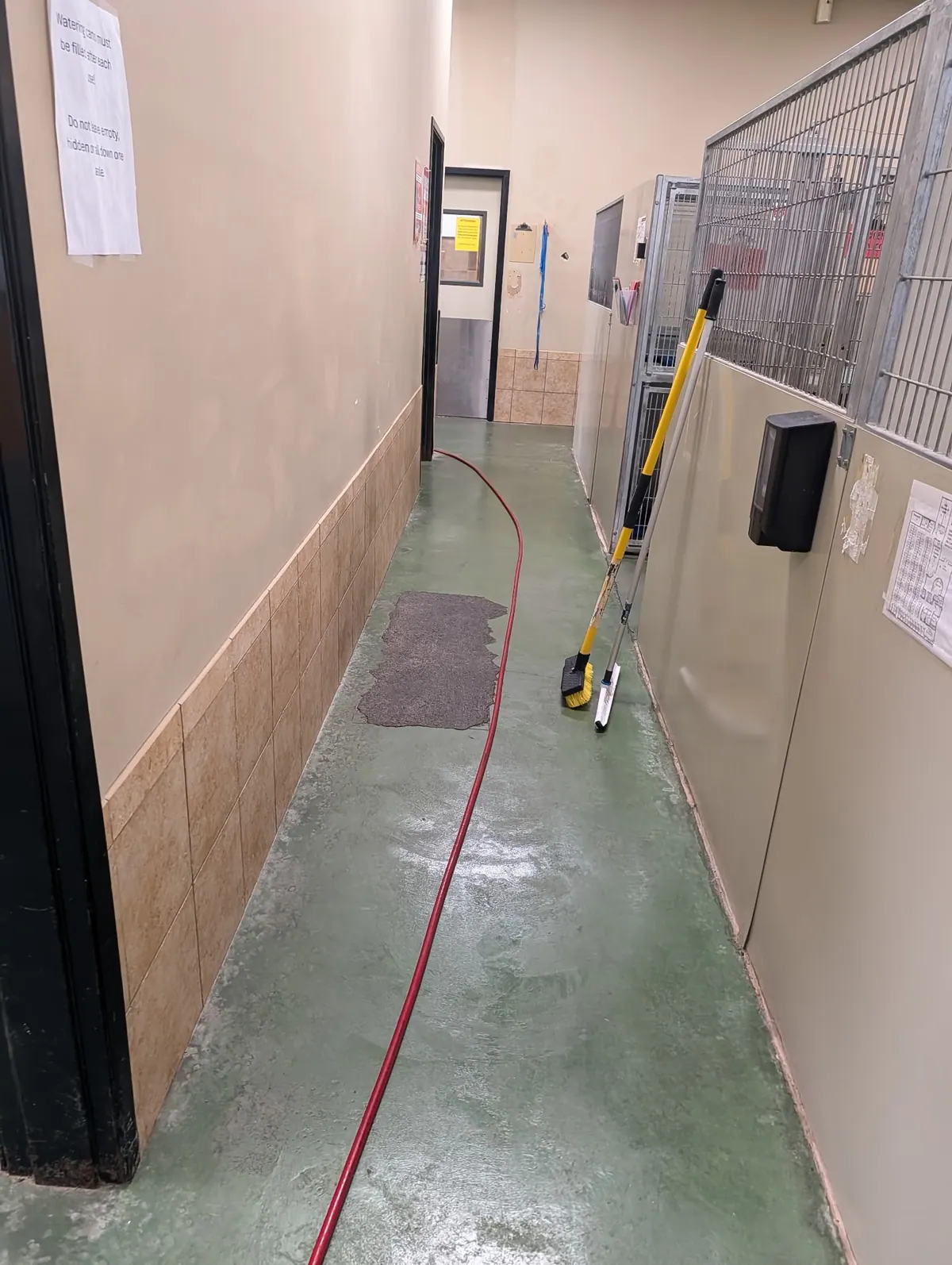
No stock photos here. These are our own technicians, our own equipment and real repairs.
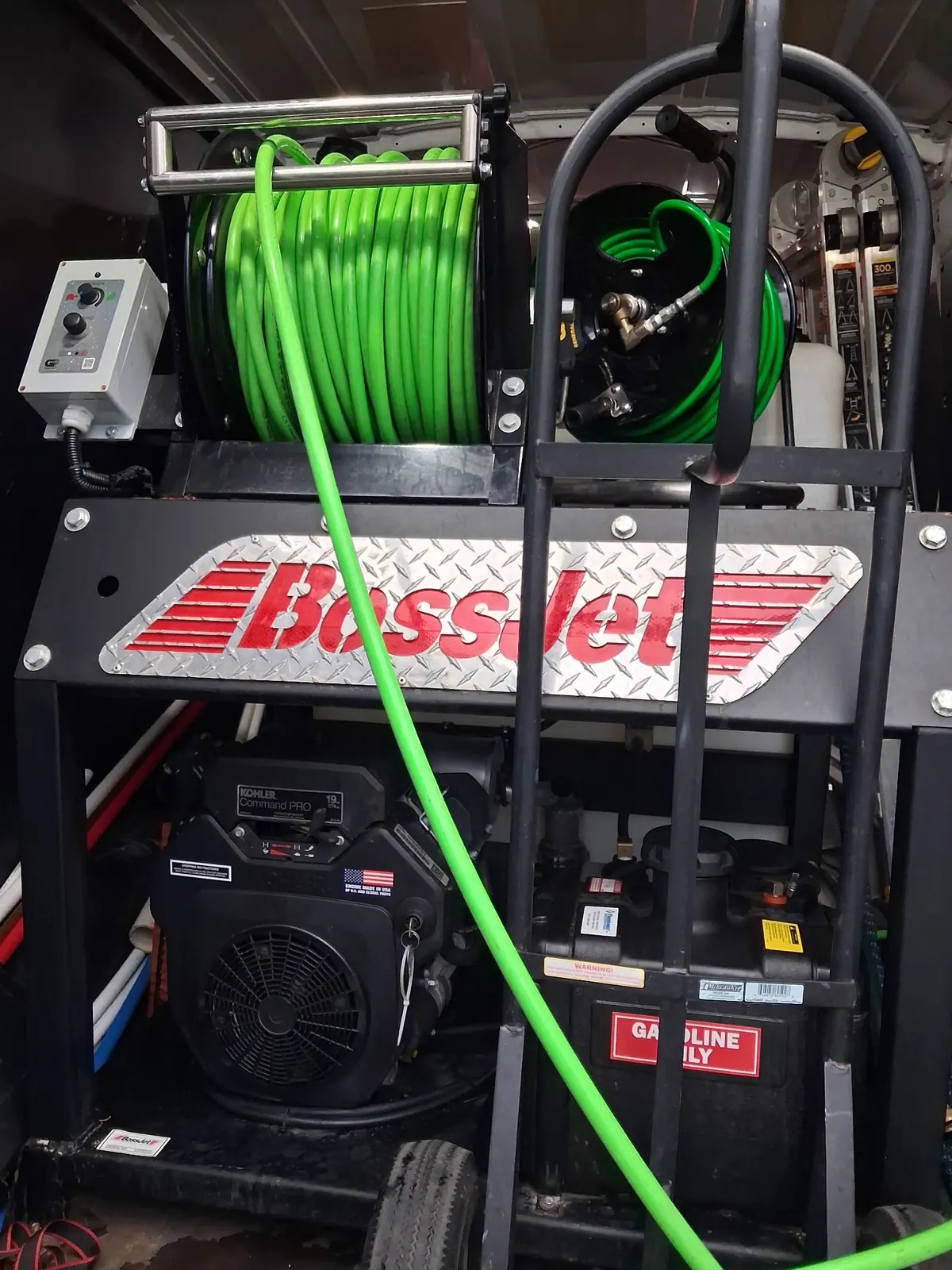
We provide hydro jetting across all eight Connecticut counties.
Hydro jetting is a drain and sewer cleaning method that uses high pressure water fired through a nozzle to scour the inside of a pipe. Forward jets cut through the clog and rear jets scrub the pipe walls while pulling the hose along. It removes grease, sludge, scale and fine roots, leaving the line much closer to full size than a cable machine can.
For recurring clogs, usually yes. A snake or cable punches a path through a clog and is fast and effective for one time blockages like wipes or hair. Jetting cleans the full pipe wall, so grease and scale do not quickly rebuild into a new clog. Many Connecticut jobs use both: a cable to open the line, then jetting to clean it.
It is safe for sound pipe when the pressure and nozzle match the material, which is why we camera the line first. Cast iron, PVC and intact clay handle jetting well. Orangeburg, cracked clay and rusted through cast iron can be damaged, so when we see those we lower the pressure, use a cable instead, or talk with you about repair before jetting.
Most residential jetting jobs take a few hours from setup to the final camera check. A kitchen line is usually quicker than a full main sewer line. Heavy grease, long laterals, roots or difficult access can add time. We give you an upfront quote and a clear idea of the scope before we start so you know what to expect.
Yes, with a root cutting nozzle. Jetting is very effective on fine and medium roots at clay pipe joints and flushes the cut roots out of the line. Very heavy, woody root masses are often cut first with a cable machine and root saw, then jetted clean. Roots will grow back over time if the joints stay open, so maintenance or repair may follow.
Many do. Commercial kitchens send large amounts of fats, oils and grease down their drains, and Connecticut has a statewide FOG program for food service businesses. Regular jetting of the kitchen lines, along with grease trap pumping on schedule, helps prevent backups during service. We can set up a jetting schedule based on how fast your lines build up.
Yes. We can jet the drain line from the house to the septic tank inlet to clear grease, sludge and roots. The water and debris go into the tank. We do not pump septic tanks, so if your tank is full or overdue for pumping, call a septic company first so the line has somewhere to drain.
Sewer line cleaning that clears the main drain from your basement cleanout to the town sewer or septic tank, with camera proof.
Main Sewer Line Cleaning detailsSewer camera inspection with a live view so you see roots, cracks, sags and clogs in your Connecticut sewer line for yourself.
Sewer Camera Inspection detailsTree root removal from sewer lines with root cutting cable machines and jetting, plus camera proof that the line is clear.
Tree Root Removal detailsWe answer 24 hours a day, 7 days a week. Call and talk to a real person, or request service online and we will call you back.
Tell us what is happening. Our team usually calls back within two hours. Emergency? Call now, we answer 24/7.
Or call (518) 776-7838, 24 hours a day