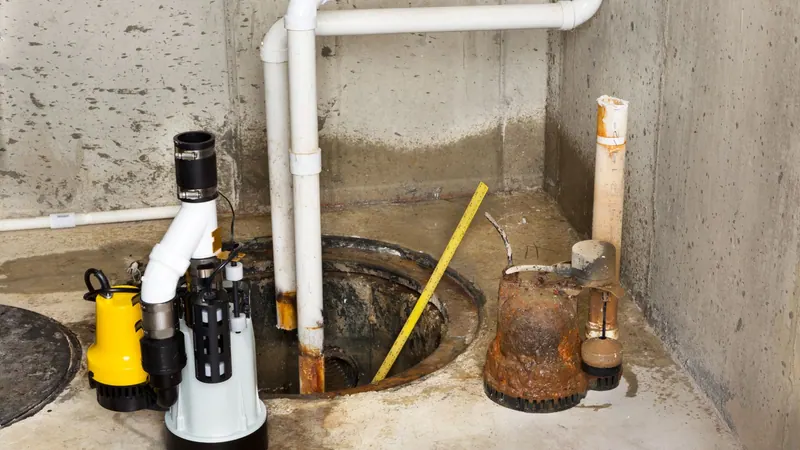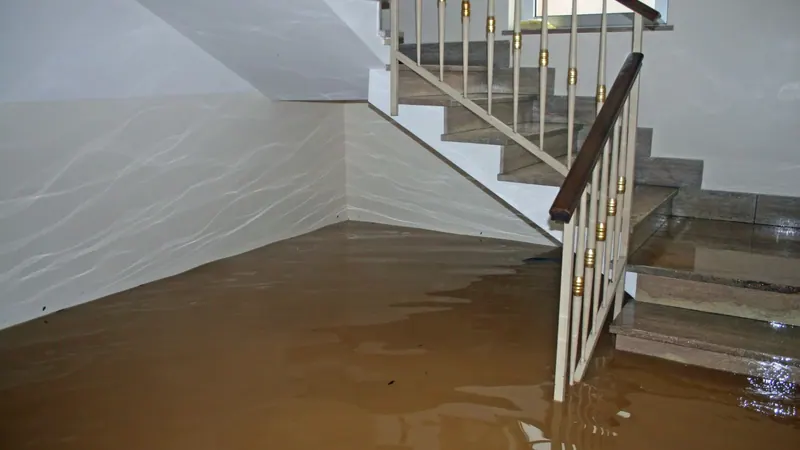
Sewer Backup Service
24/7 sewer backup service that clears the blocked line, stops sewage coming into your basement and finds the cause on camera.
Sewer Backup Service details
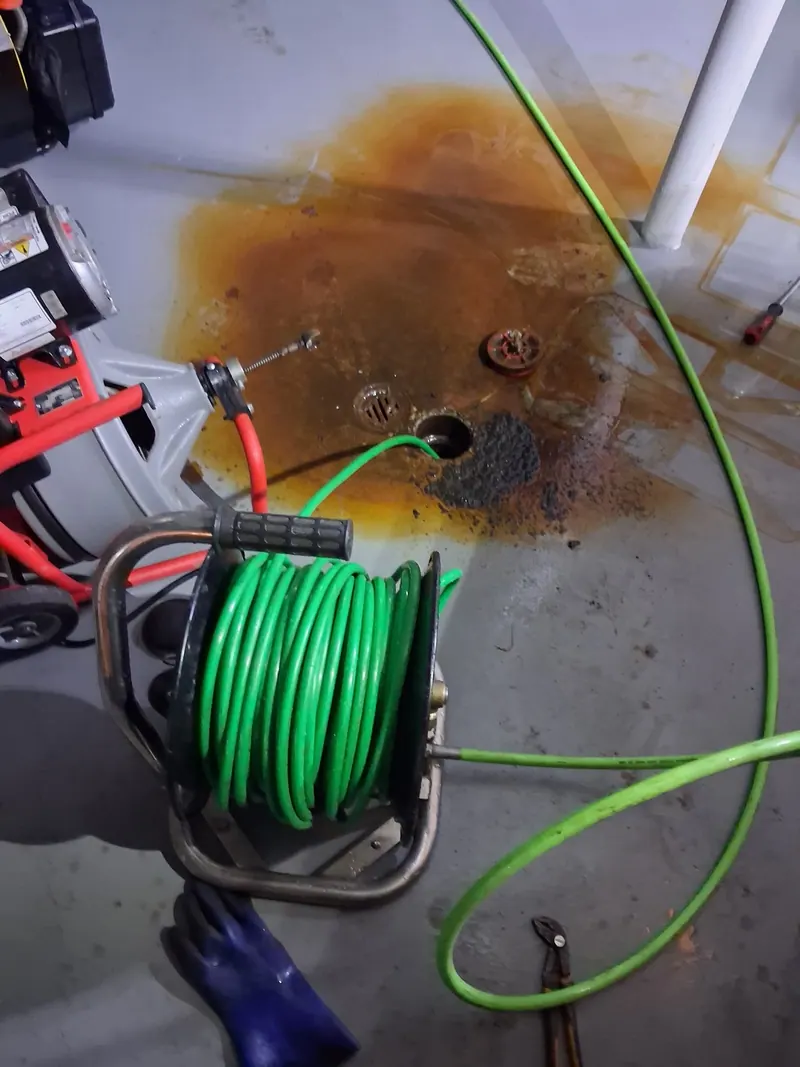
A backed up basement floor drain is often the first warning of a main line problem. We clear floor drains and laundry drains, check the line below and give you an upfront quote first.
Quick answer: A floor drain backs up for two main reasons: the floor drain line itself is clogged with lint, silt or debris, or the main sewer line is blocked and water from the rest of the house is coming up at the lowest point. If water rises when you flush or run the washer, the main is the likely cause. Heavy rain can also push water back in older combined sewer areas.
A basement floor drain sits at the lowest point of the house, which makes it the place where trouble shows up first. When the main sewer line is blocked, water from toilets, sinks and the washing machine has nowhere to go and rises out of the floor drain. When the floor drain itself is clogged with silt, lint or debris, water from a leak, a water heater or a flooded basement cannot get away. Either way, a floor drain that is slow, smelly or backing up needs attention before the next storm or the next load of laundry.
Floor drains in Connecticut basements come in several types. Some connect to the sanitary sewer through a trap. Some older ones were tied into storm lines or to dry wells, and some homes have floor drains that run to a sump pit. The laundry drain, whether a standpipe or a utility sink, often joins the floor drain line in the same corner. Knowing where your floor drain goes matters, because it changes how we clear it and what can back up through it.
We remove the grate, clear the trap and run a drain machine through the line to the main or the outlet. If the floor drain is backing up because of a main line clog, we clear the main from the cleanout and check the floor drain afterward. If the problem keeps coming back, a sewer camera with live view shows you where the line is blocked. Fullerton Plumbing is open 24/7 across Connecticut. If water is coming up through your basement floor, call (518) 776-7838.
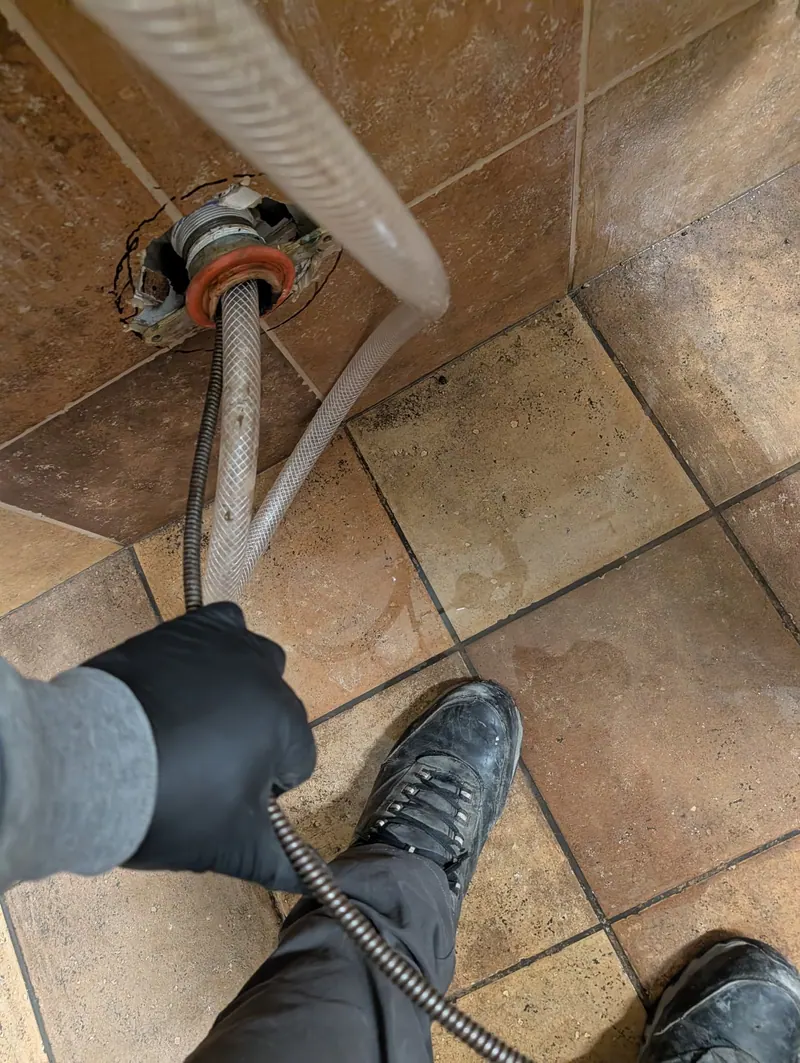
Washing machines send lint, fabric fibers, hair and detergent residue into the laundry drain, which often feeds the floor drain line. Over time it forms a gray mat that slows the line. A machine clears it, and a lint trap on the washer hose helps keep it from building up again.
Floor drains catch dirt, sand and silt from wet basements, mopping and spring seepage. In older Connecticut basements with stone or block foundations, sediment builds up in the trap and line. Clearing and flushing the trap restores flow so the drain can handle the next leak or spill.
When sewage comes up through the floor drain, the main line between the house and the street or septic tank is usually blocked. Roots, grease, wipes or a sagging lateral are common causes. Clearing the floor drain alone will not help. The main has to be cleared from the cleanout.
During nor'easters, spring thaw and heavy rain, high water can push back through low basement drains, especially in older parts of cities with combined sewers. A backwater valve can stop sewer water from coming in, and a working sump pump handles groundwater. We clear the line and discuss options.
We ask when the floor drain backs up: during laundry, after a flush, or in heavy rain. Then we run water at upstairs fixtures and watch the drain. That tells us whether the floor drain line itself is clogged or the main sewer is blocked and pushing water up through the lowest opening.
We explain what we think is causing the backup and whether we will clear the floor drain line, the main line or both. You get an upfront quote before any work starts. If we suspect a storm water issue or a sump problem, we tell you that too, so you can plan for it.
We lift the grate, clean out the trap and run a drain machine through the floor drain line. If the main line is the cause, we clear it from the cleanout with a sectional machine or jetter. Silt, lint, sand, grease and roots are all removed so water flows freely.
We pour water into the floor drain and run the upstairs fixtures to confirm everything moves. For repeat backups, we run a sewer camera with live view so you see the line. We clean and disinfect the area around the drain and reinstall the grate.
Connecticut basements work hard. Ledge and bedrock close to the surface, high spring water tables and long nor'easters mean many homes deal with water in the basement at some point. Fieldstone foundations in older colonials and farmhouses let in seepage that carries silt to the floor drain. Many three family houses in Hartford, Waterbury and New Britain have a basement shared by all units, with several washing machines draining into one floor drain line. That is a lot of lint and soap for one pipe.
Older parts of Hartford, New Haven and Bridgeport have combined sewers that carry both storm water and sewage. During heavy rain, those systems can push water back toward low basement drains. A backwater valve on the main line is one way to protect the basement. Shoreline towns along Long Island Sound, such as Milford and Norwalk, also face coastal flooding and storm surge. We clear the drains and help you understand where the water is coming from.
Basement floor drain cleaning cost depends on whether the clog is in the floor drain line or the main sewer. A trap packed with lint or silt is a smaller job than a main line clogged with roots. Access to the drain and cleanout, the age of the pipe and how much water needs to be handled before work starts all play a part. Camera inspections and after hours service can also change the job. You get an upfront quote before any work starts.
Call (518) 776-7838 for an upfront quote. We answer 24/7 and explain the price before any work starts.
No stock photos here. These are our own technicians, our own equipment and real repairs.
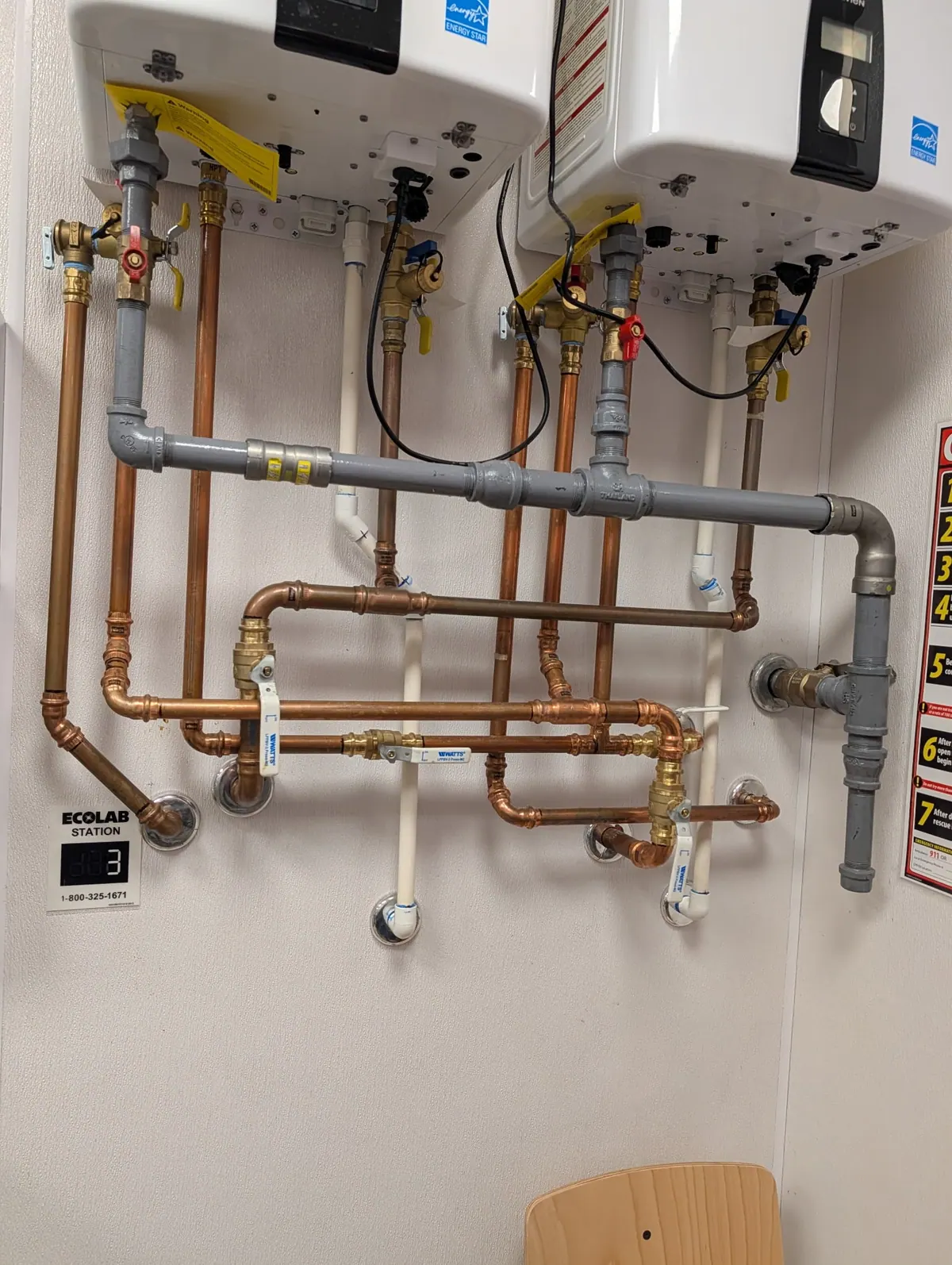
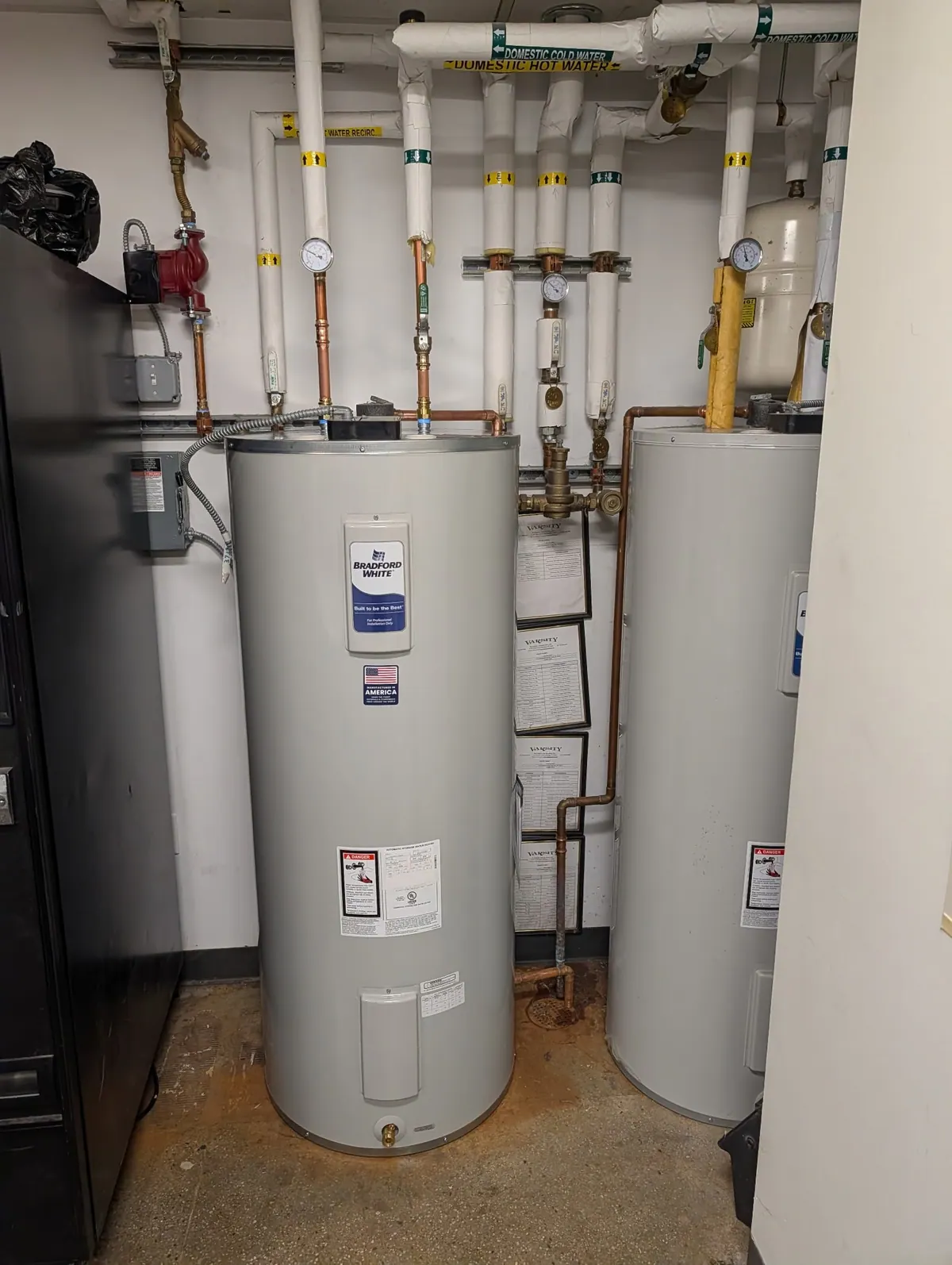
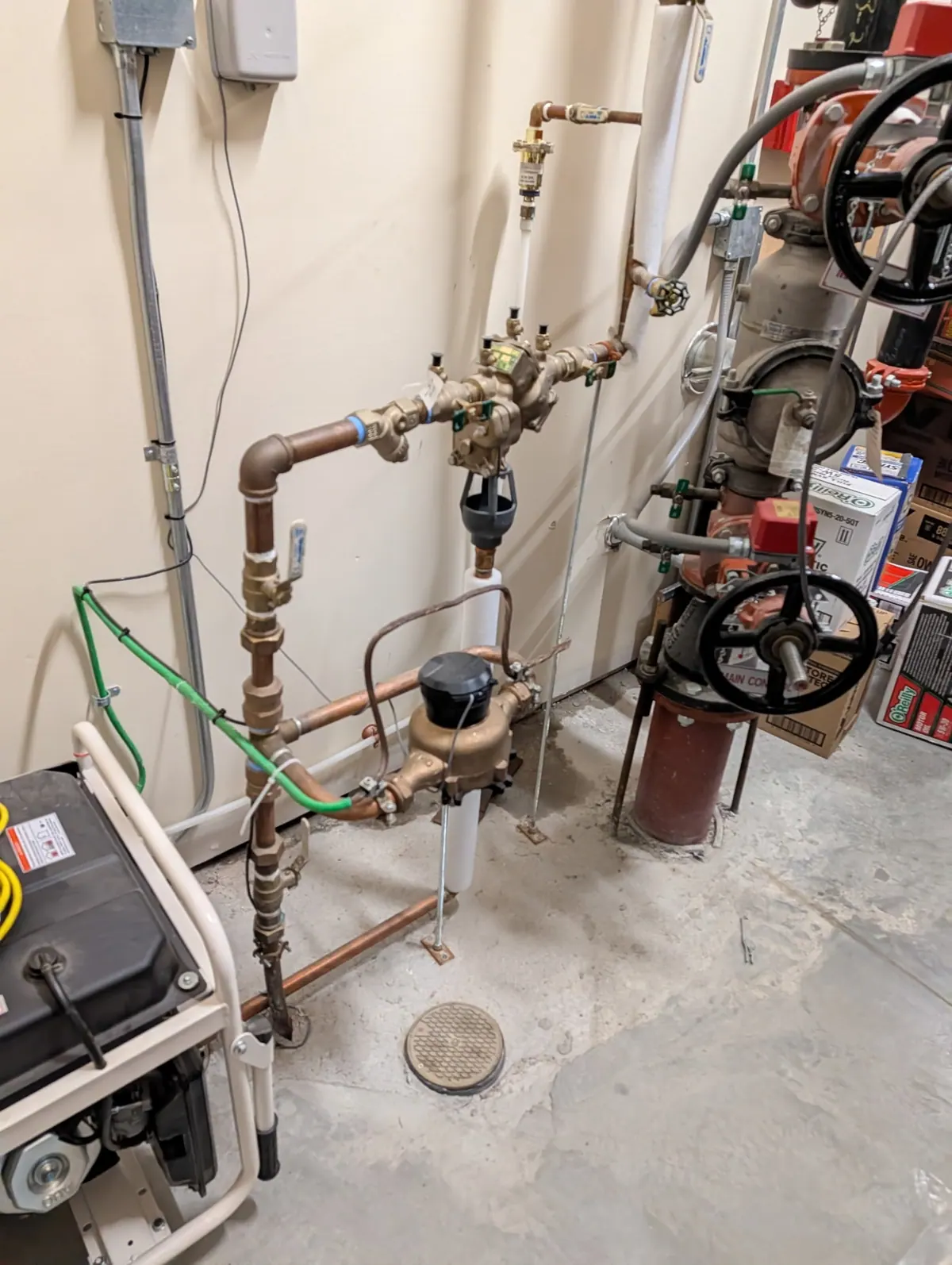
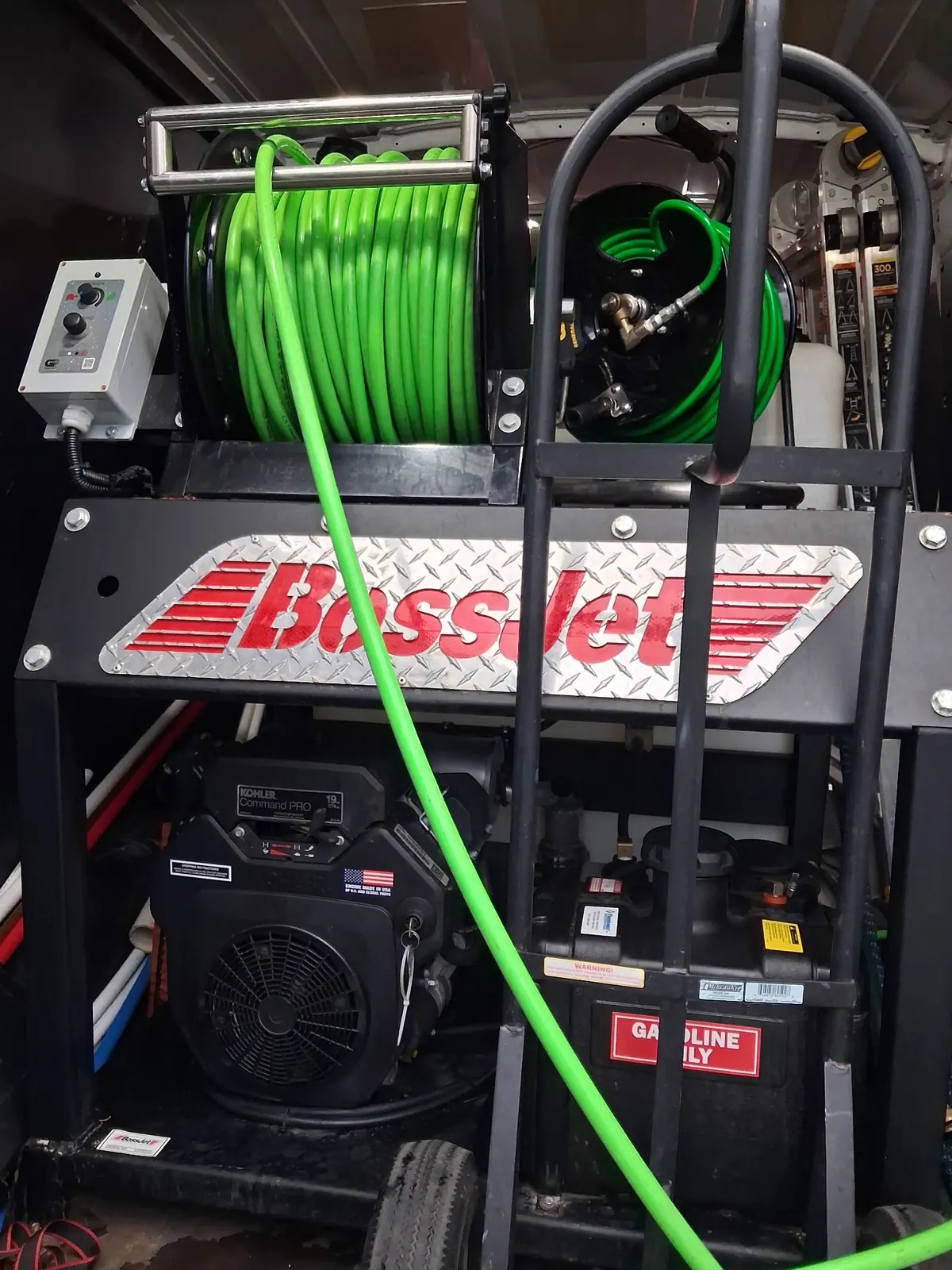
We provide basement floor drain cleaning across all eight Connecticut counties.
A floor drain backs up for two main reasons: the floor drain line itself is clogged with lint, silt or debris, or the main sewer line is blocked and water from the rest of the house is coming up at the lowest point. If water rises when you flush or run the washer, the main is the likely cause. Heavy rain can also push water back in older combined sewer areas.
Stop using water in the house right away, including toilets, sinks, the dishwasher and the washing machine. Every gallon you use adds to the backup. Keep people and pets away from the water, since sewage carries bacteria. Then call (518) 776-7838. We are open 24/7 across Connecticut and can clear the main line and help with clean up.
In most Connecticut homes, the basement floor drain connects to the main sewer line or to the line running to the septic tank, usually through a trap. Some older homes have floor drains that run to a dry well, a storm line or a sump pit. A camera inspection can show where your floor drain goes, which helps decide how to clear and protect it.
Most often, the trap under the floor drain has dried out. Without water in the trap, sewer gas rises into the basement. Pour a bucket of water into the drain every few weeks, especially in dry months. If the smell continues after refilling the trap, the drain may be cracked or the line partly blocked, and it should be checked.
A backwater valve is a one way valve installed on the main sewer line that lets water flow out but closes when sewer water tries to flow back in. It can help homes in low areas or older combined sewer neighborhoods during heavy rain. It needs to be installed correctly and checked periodically. We can discuss whether it makes sense for your home.
Yes. Washing machines push out a lot of water fast, along with lint, fibers and soap residue. In many basements the laundry standpipe or utility sink drains into the same line as the floor drain. Over time lint builds up and the line slows down, and then the floor drain overflows during the spin cycle. A lint trap on the washer hose helps a lot.
Yes. We clear floor drains in commercial basements, garages, warehouses, restaurants and multifamily buildings across Connecticut. Commercial floor drains collect sand, grease, oil and debris faster than home drains, and some connect to interceptors that need separate service. We clear the line, test it and can set a maintenance schedule if the drain clogs often.
24/7 sewer backup service that clears the blocked line, stops sewage coming into your basement and finds the cause on camera.
Sewer Backup Service detailsSewer line cleaning that clears the main drain from your basement cleanout to the town sewer or septic tank, with camera proof.
Main Sewer Line Cleaning detailsSump pump repair, replacement and installation for Connecticut basements facing spring thaw, nor'easters and high water tables, 24 hours a day.
Sump Pumps detailsWe answer 24 hours a day, 7 days a week. Call and talk to a real person, or request service online and we will call you back.
Tell us what is happening. Our team usually calls back within two hours. Emergency? Call now, we answer 24/7.
Or call (518) 776-7838, 24 hours a day